The Book Design of Jeanine Fricker
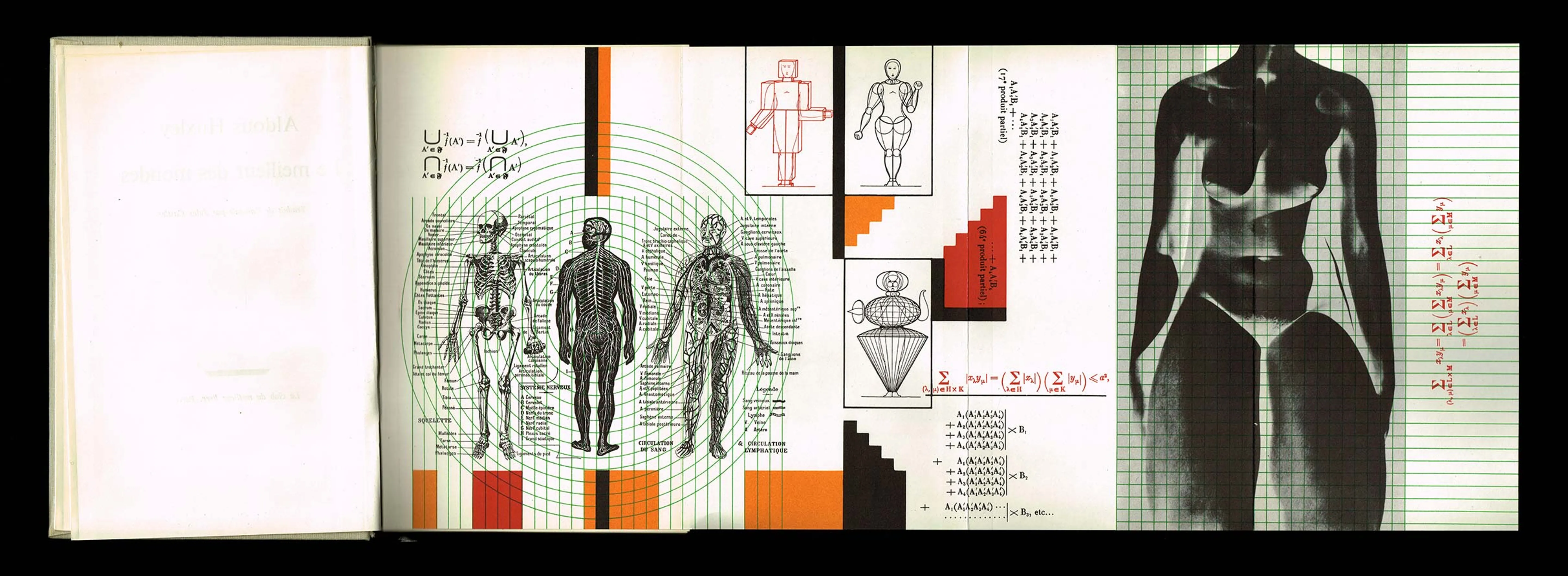
spread from Le Meilleur des mondes by Aldous Huxley designed by Jeanine Ficker, 1959
Up until the last decade, the work of women in the graphic design field was highly ignored, misattributed, and, most of the time, forgotten. As Martha Scotford writes in the opening of her article Messy History vs. Neat History: Towards an Expanded View of Women in Graphic Design, “For the contributions of women in graphic design to be discovered and understood, their different experiences and roles within the patriarchal and capitalist framework they share with men, and their choices and experiences within a female framework, must be acknowledged and explored. (Martha Scotford, “Messy History vs. Neat History: Towards an Expanded View of Women in Graphic Design,” Visible Language, Fall 1994, p. 368–388.)”
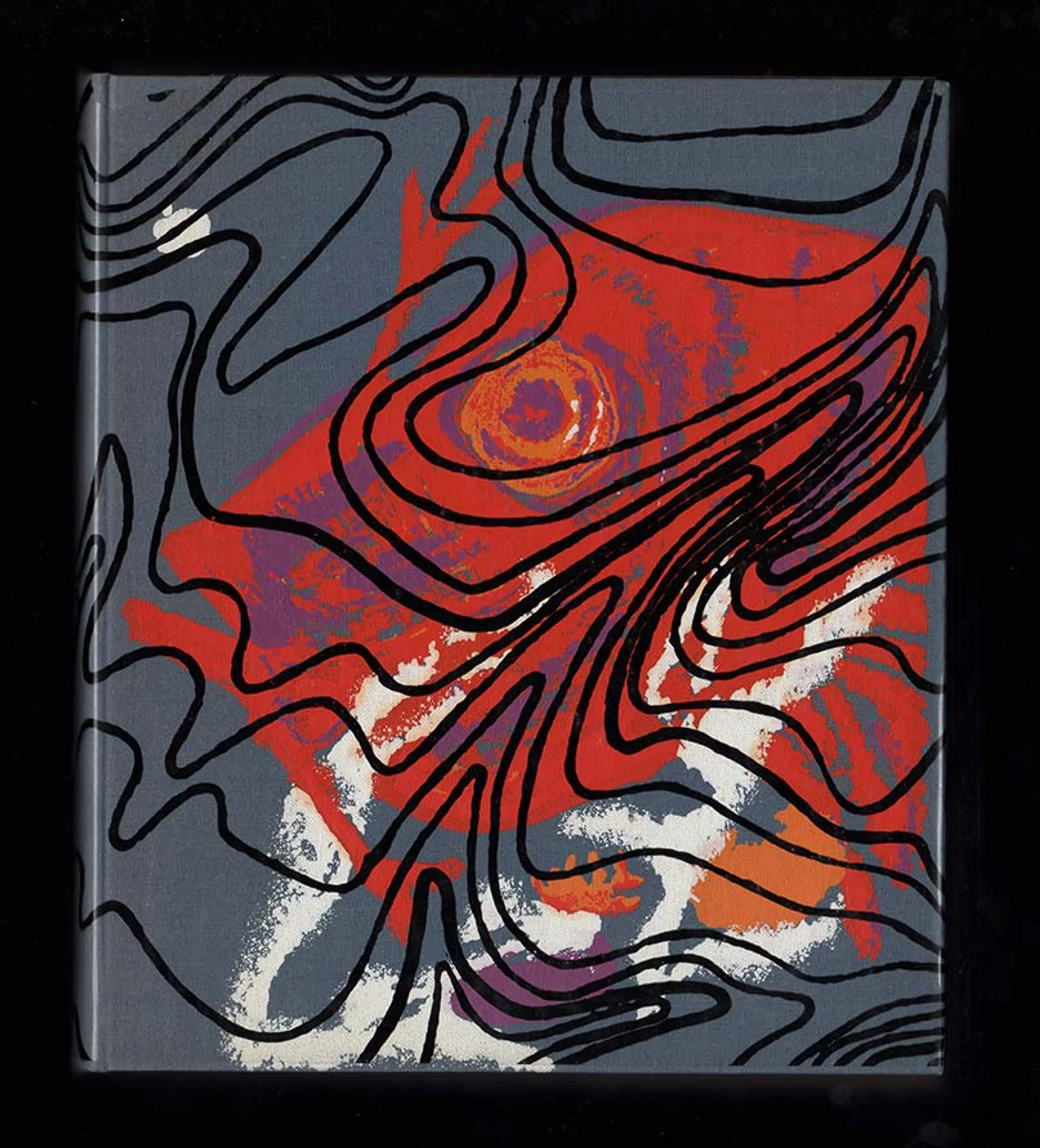
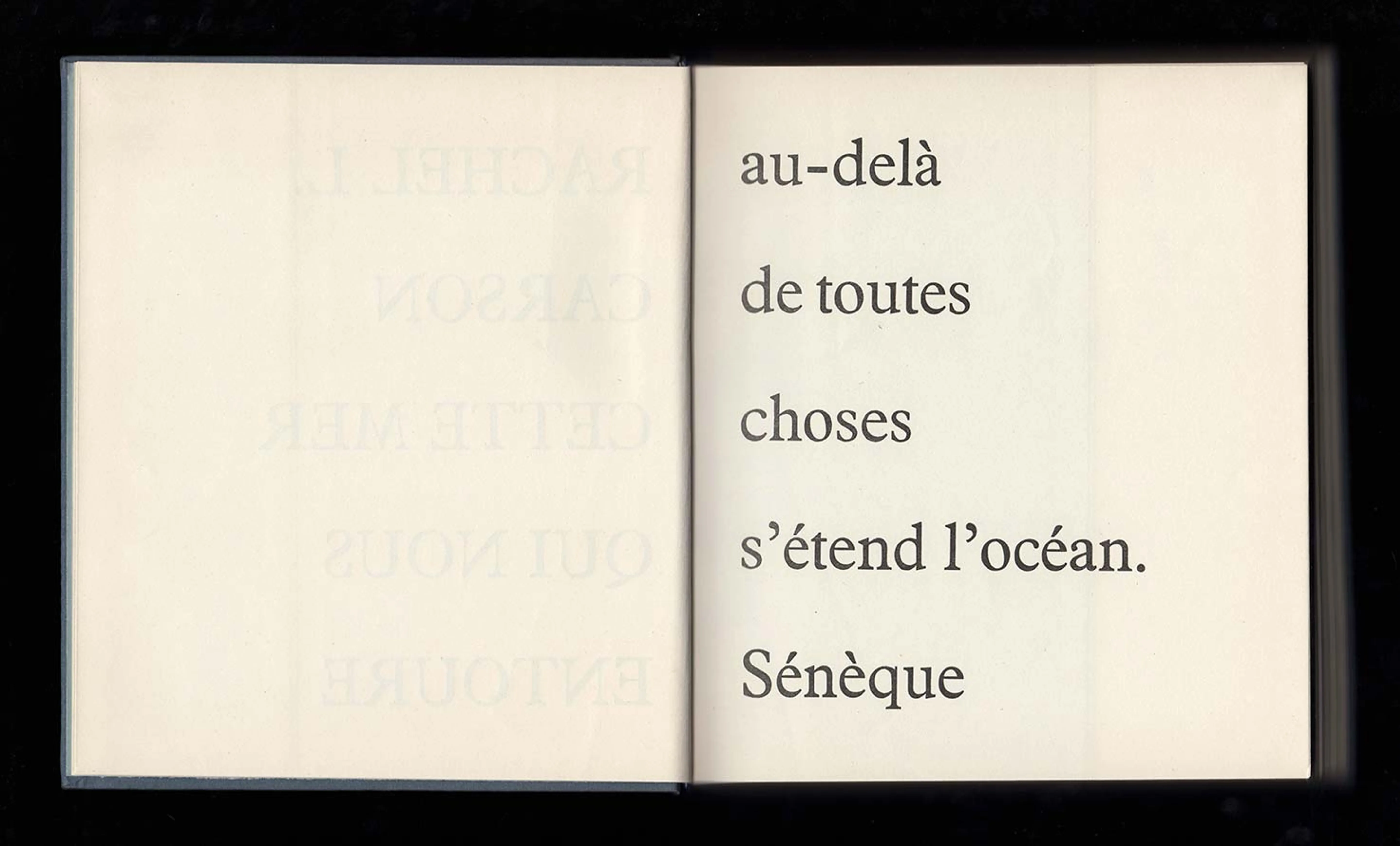
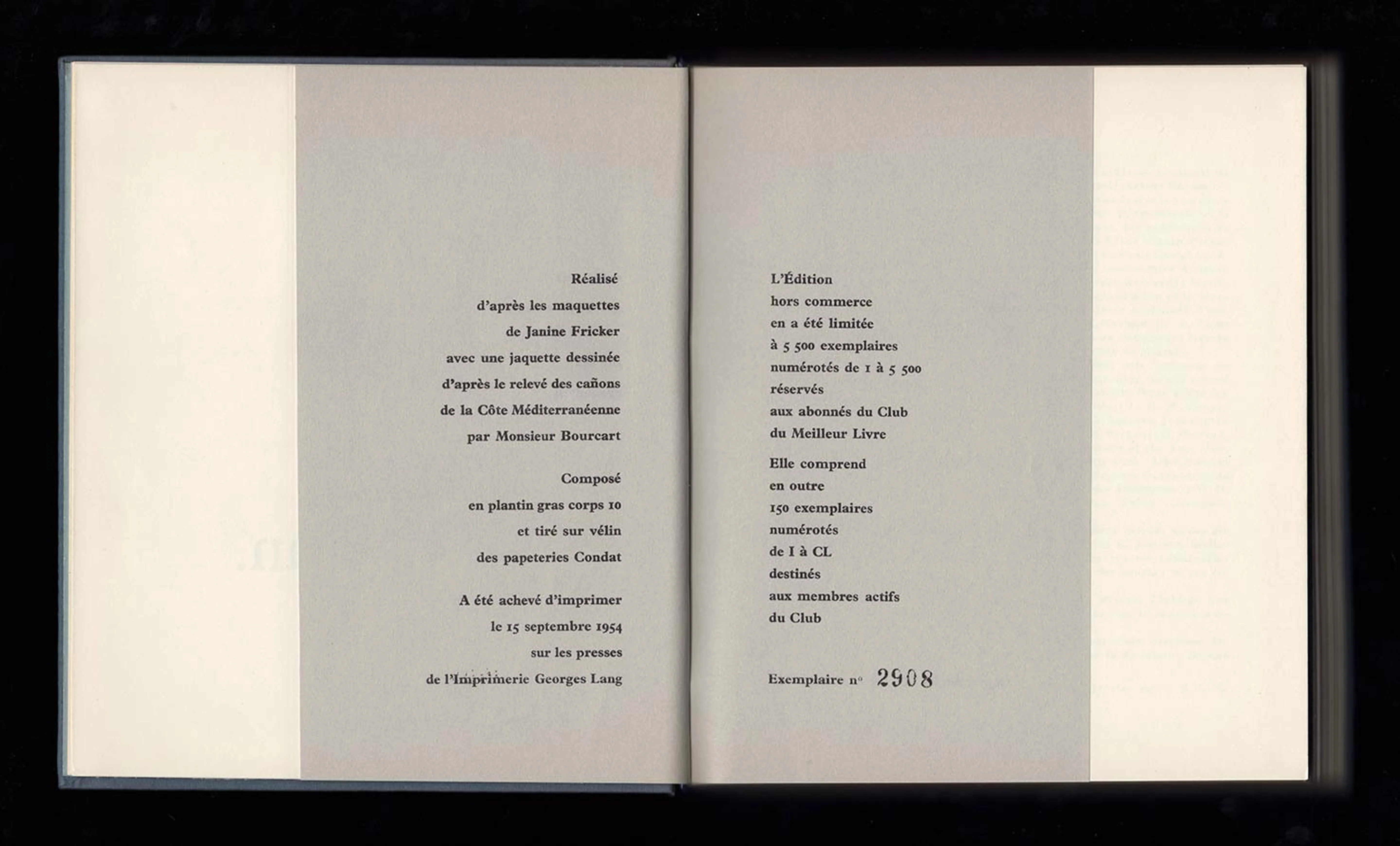
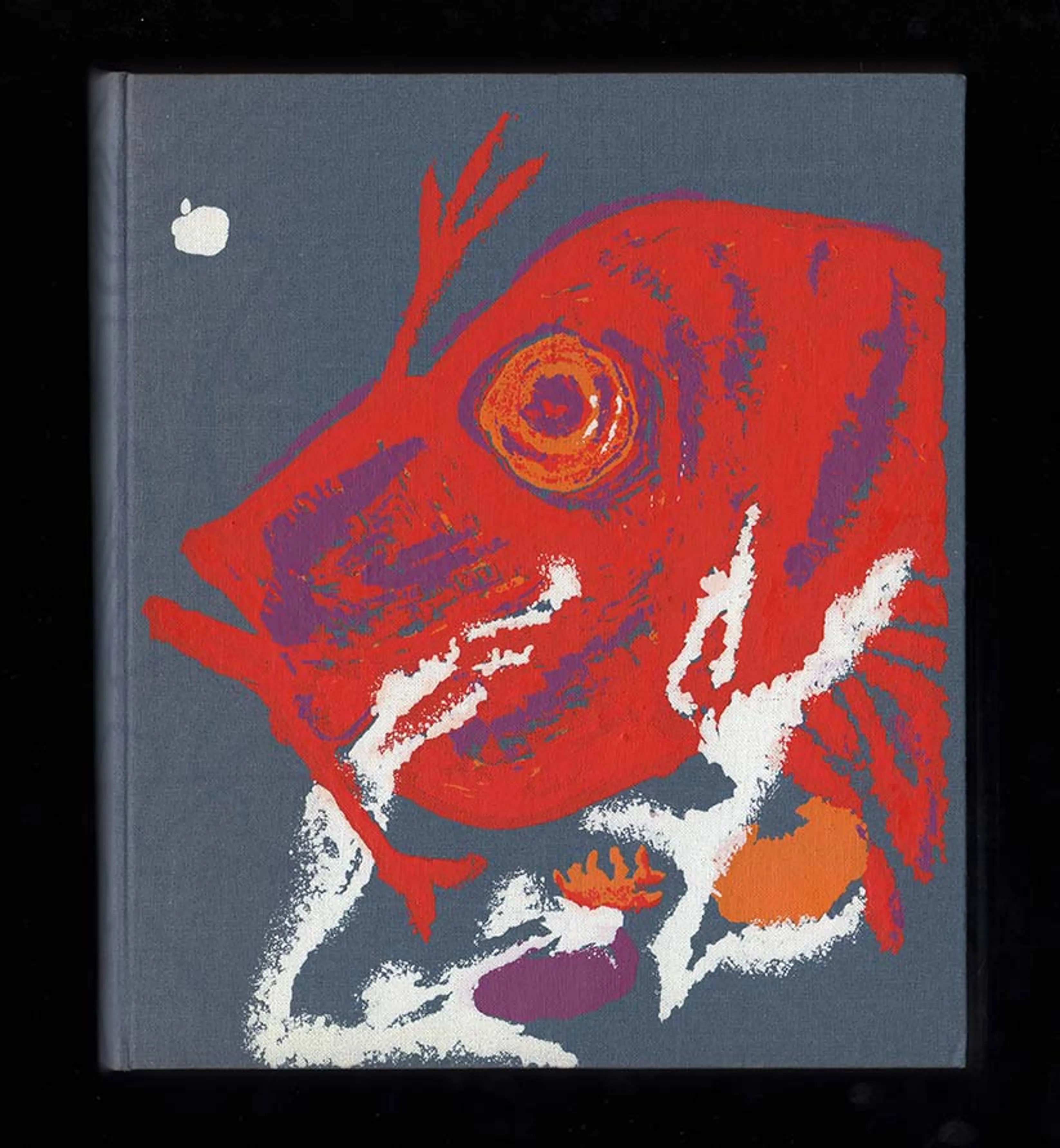
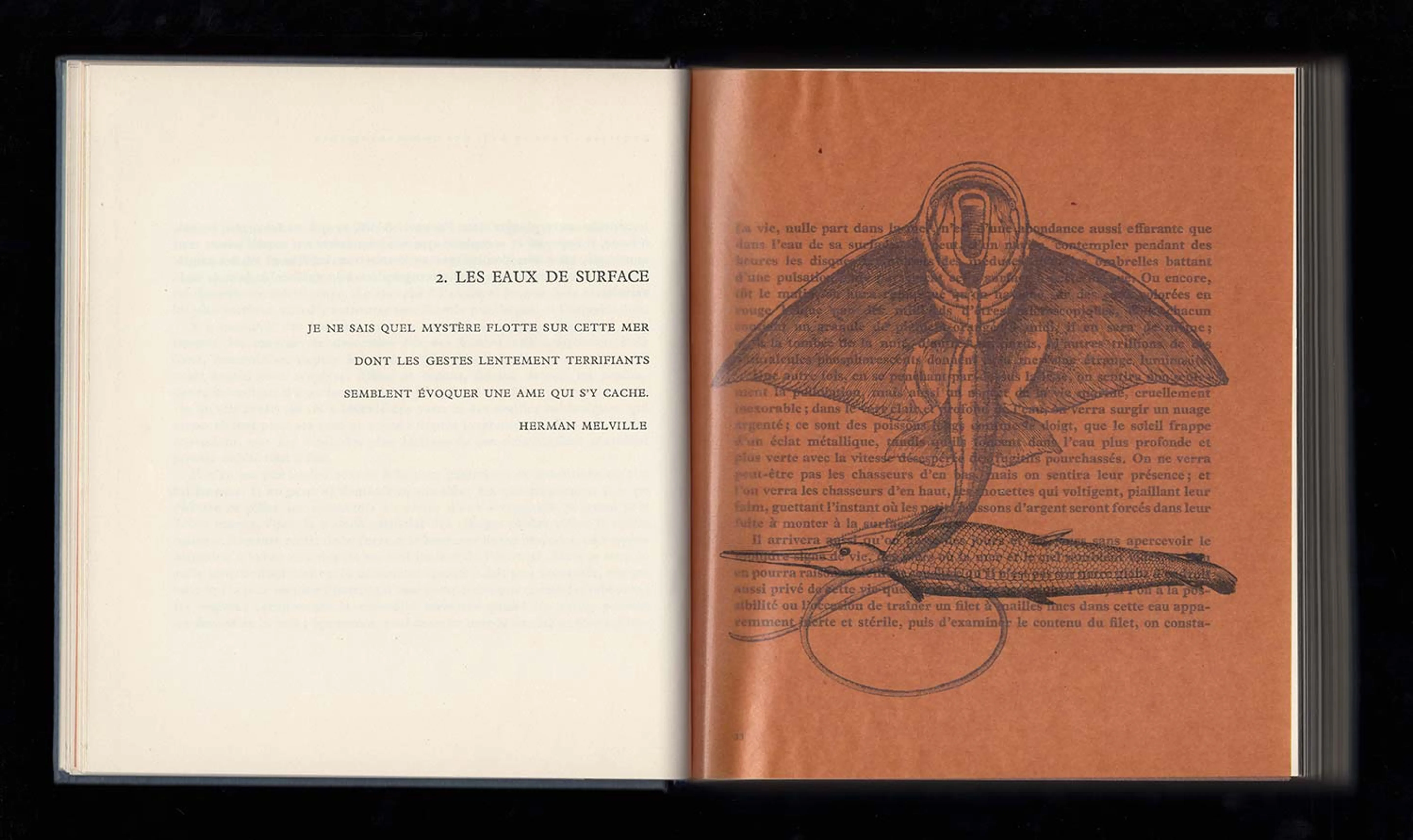
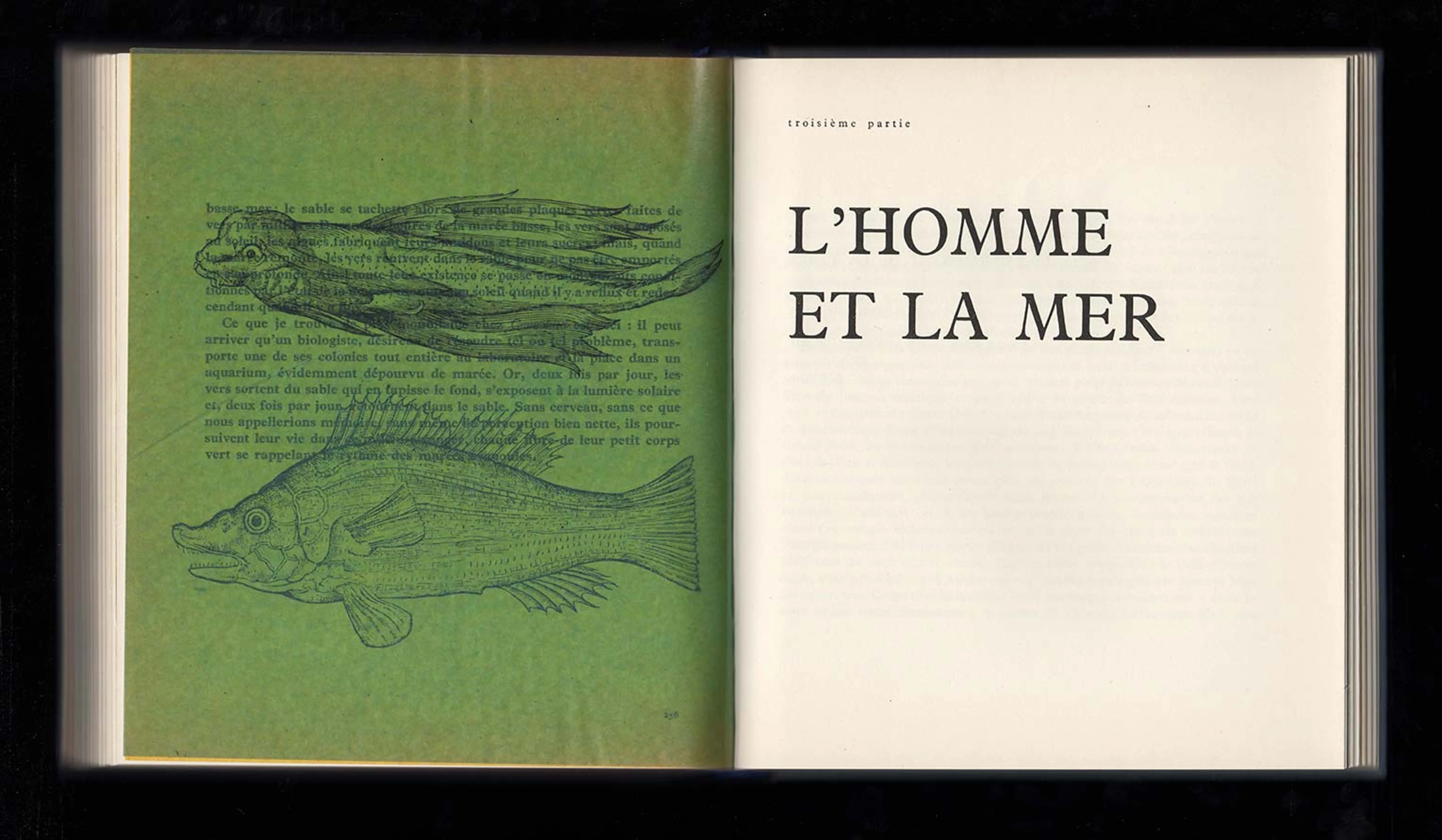
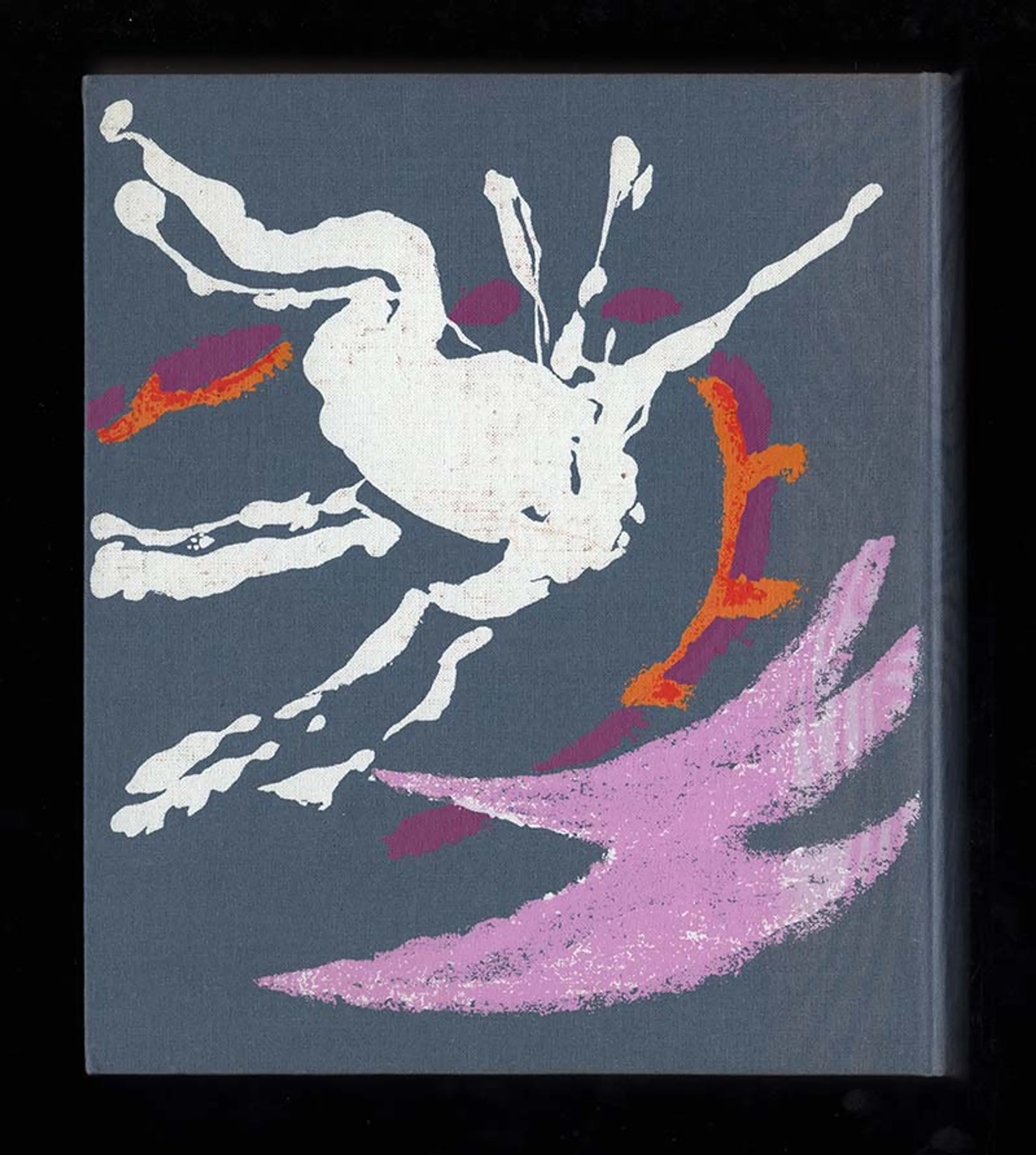
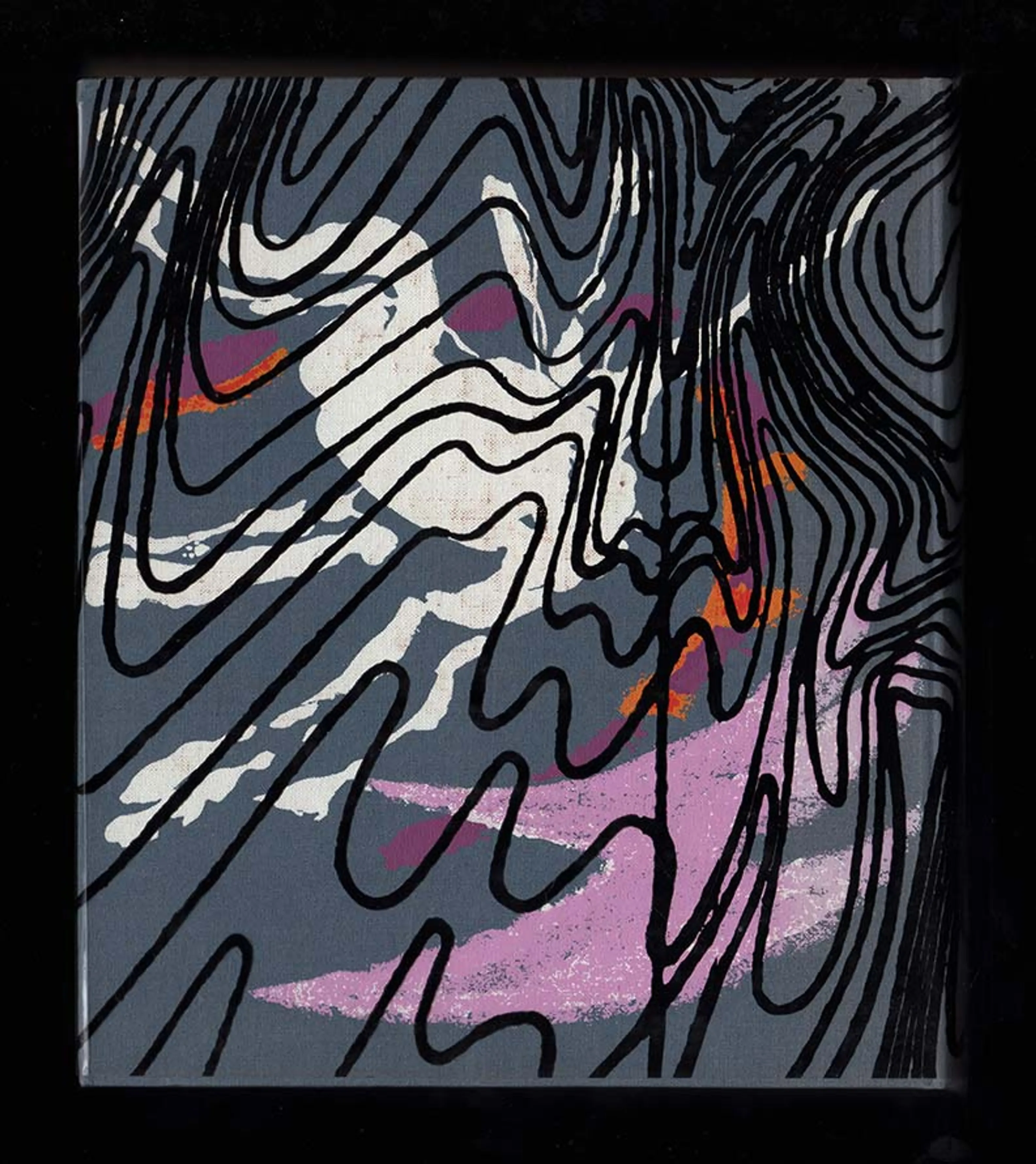
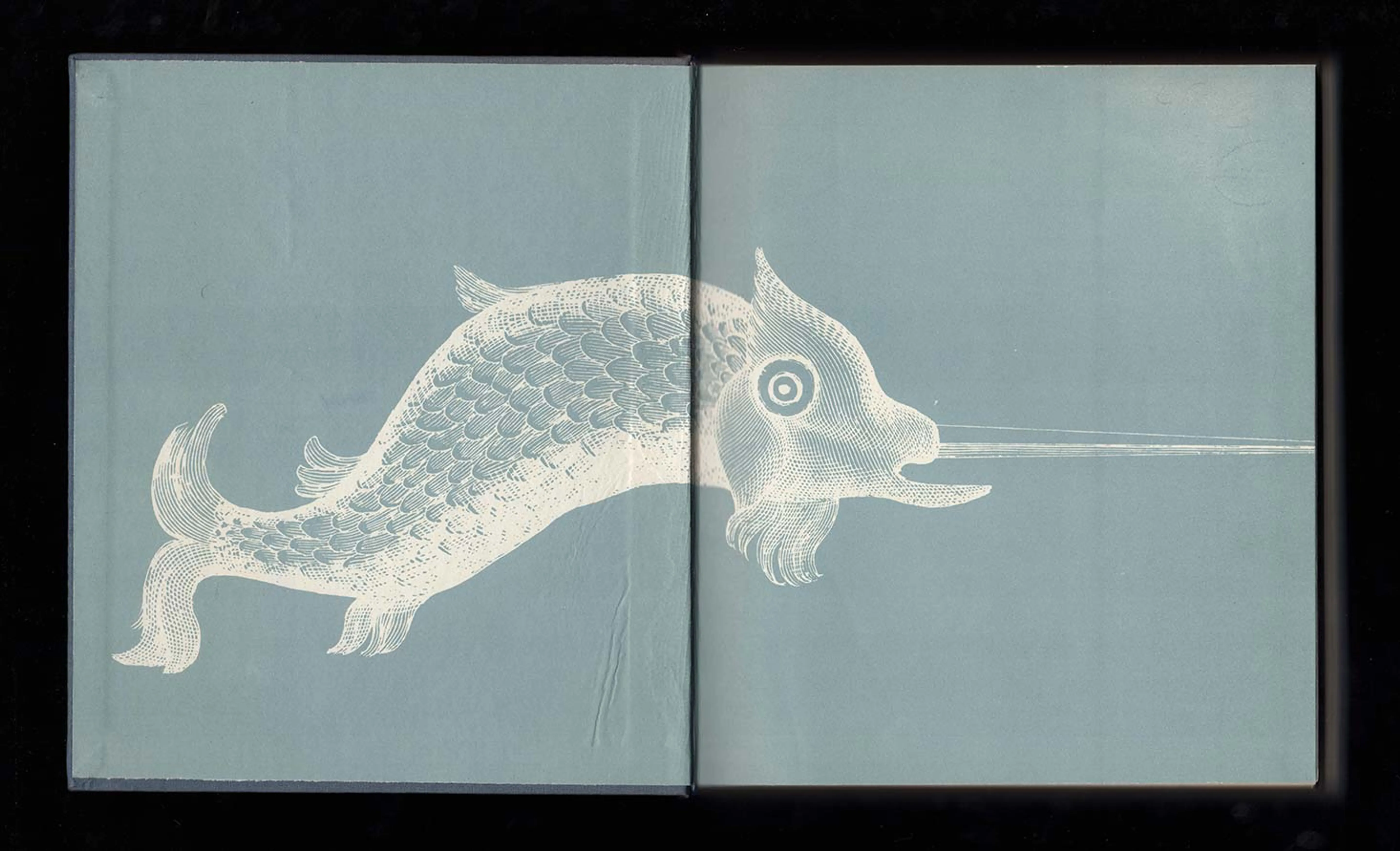
Cette mer qui nous entoure written by Rachel L. Carson, designed by Jeanine Fricker, 1954
Graphic design in the second half of the twentieth century is often represented in graphic design history books as a male-centred activity worldwide. Many women designers have been forgotten from the history of graphic design, and the French book designer Jeanine Fricker is no different. Fricker designed several hundred books during her career, but she has been overshadowed in French graphic design history by her contemporaries Robert Massin and Pierre Faucheux.
Born in 1925, Jeanine Fricker was one of the most prolific book designers of the second half of the 20th century in France, and her name is basically unknown, not only internationally but also in her own country.
Before becoming a book designer, Fricker studied at the École du Louvre, worked with publisher Pierre Tisné, and did an apprenticeship at the photoengraving studio at the famous French type foundry Deberny and Peignot, soon after joined their in-house design studio to help Rémi Peignot with all the printed material produced by the foundry.
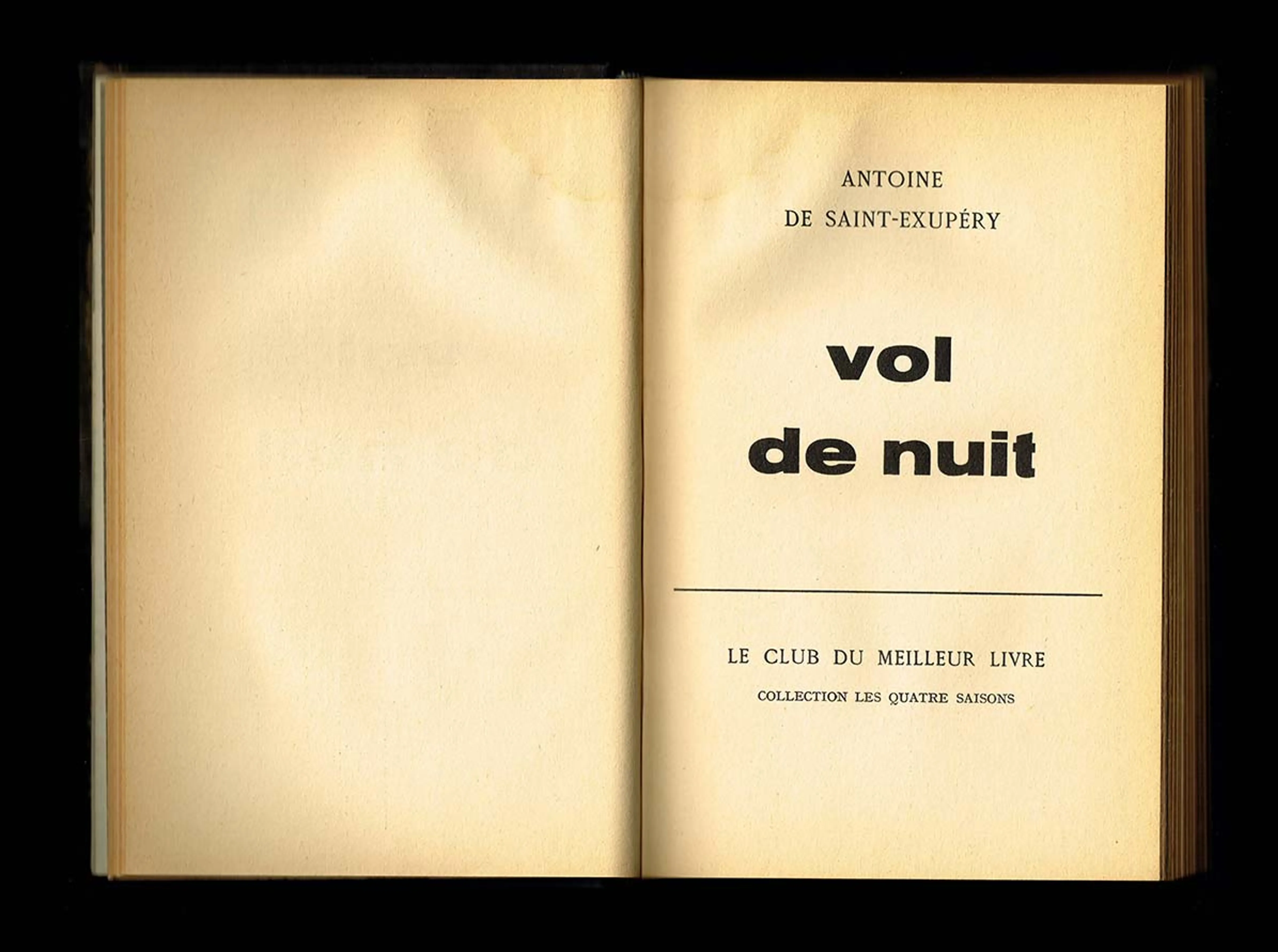
Due to Deberny & Peignot’s monetary problems, Fricker had to leave the studio and join the big French publishing house, Larousse, where she designed the catalogues of their book collection and their promotional material. While working at Larousse, she was contacted by the graphic designer Massin, who had seen her publicity work for Larousse in the newspapers. Massin was the art director of the book collection Club du meilleur livre, and wanted her to design books for the collection as a freelance designer. The Club was growing and they needed to add more designers to their roster.
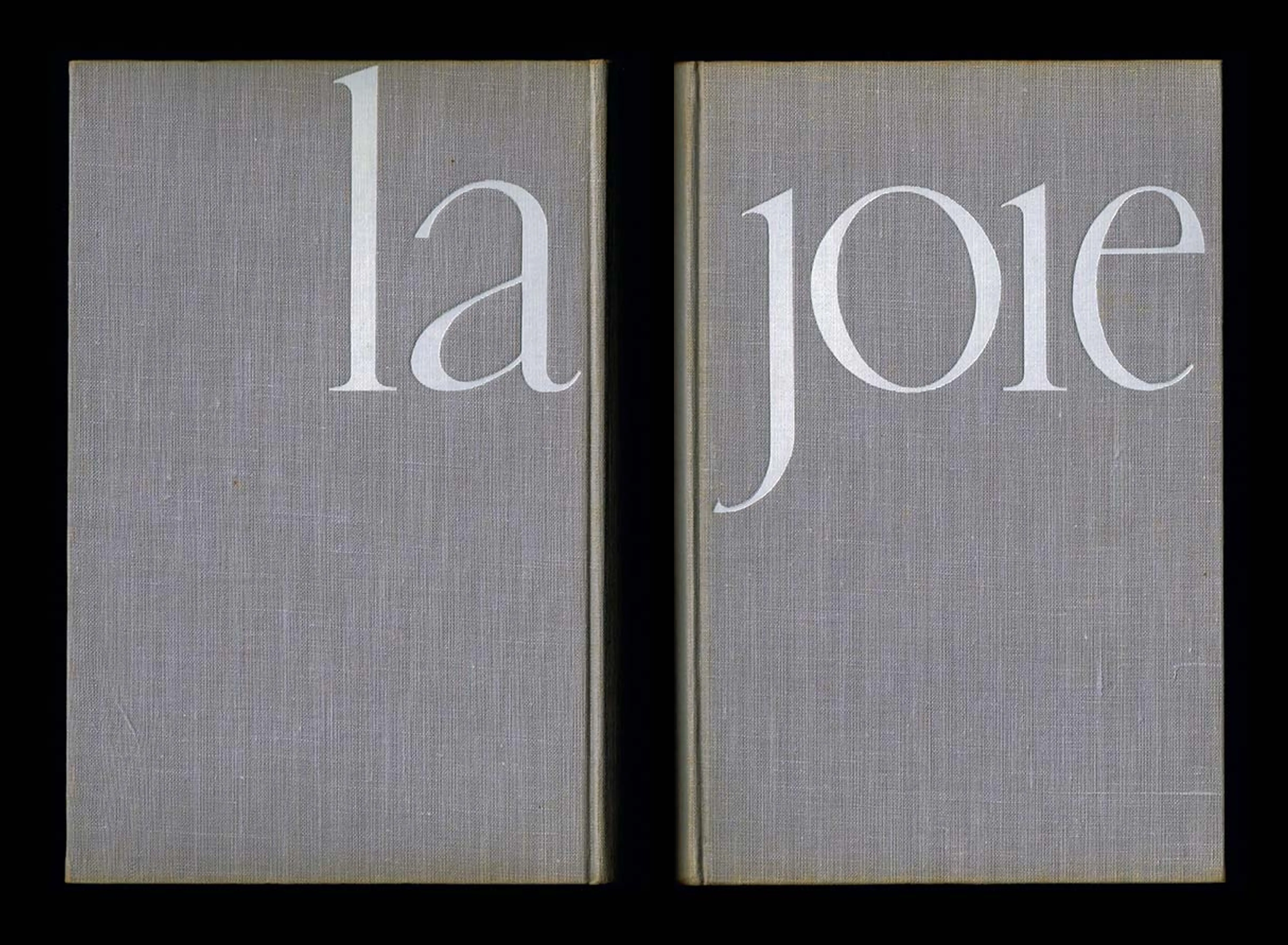
La Joie written by Georges Bernanos and designed by Jeanine Fricker, 1954
The first book she designed for the Club was the novel La Joie by Georges Bernanos, published in 1954. For the cover, she decided to go for a lettered title roughly based on a Garamond construction. Grey background, white letters, simple. The text inside is composed in Garamond with a straightforward layout, with the text being embraced at the beginning and at the end of the book by reproductions of handwritten notes that appear on a different paper.
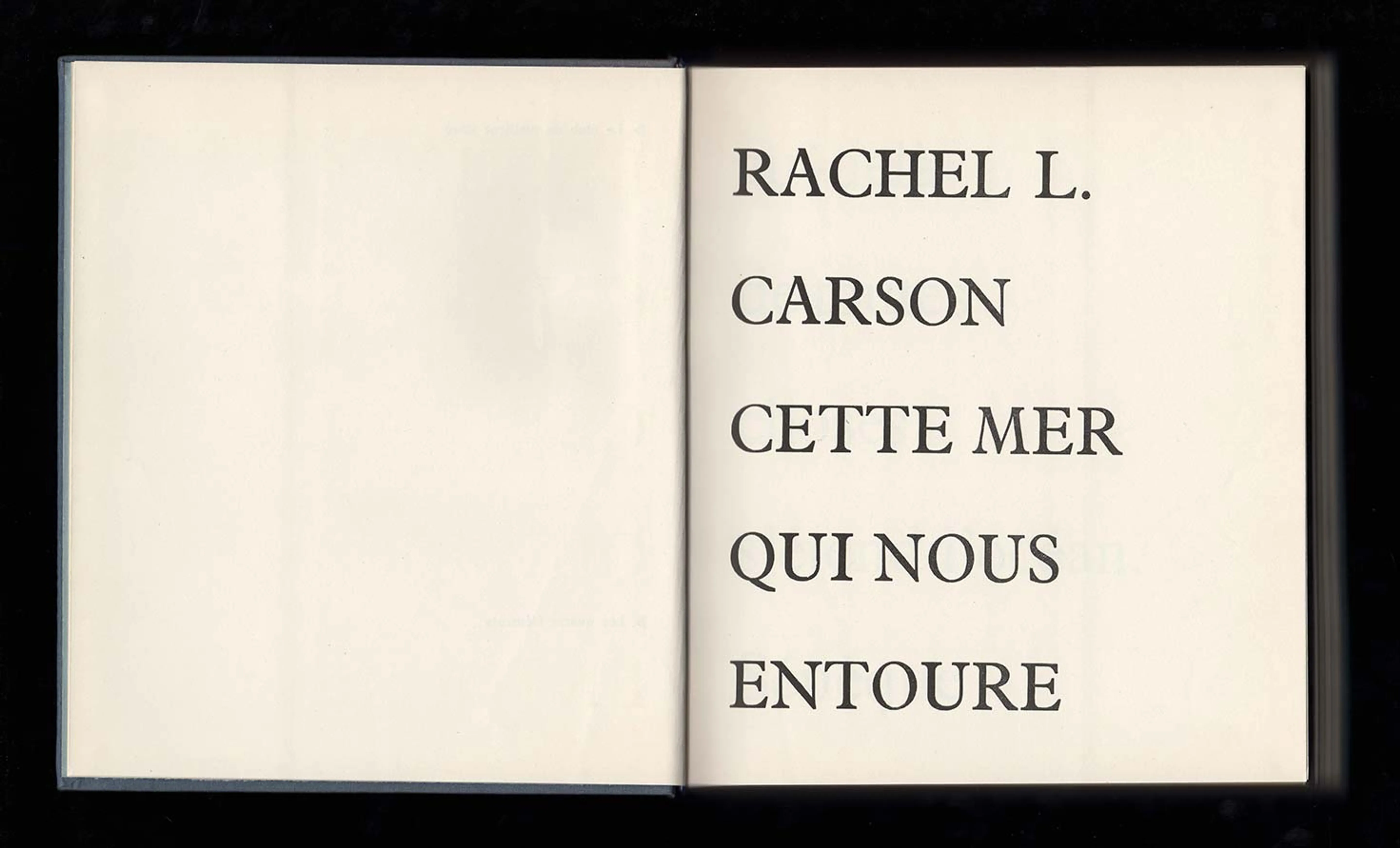
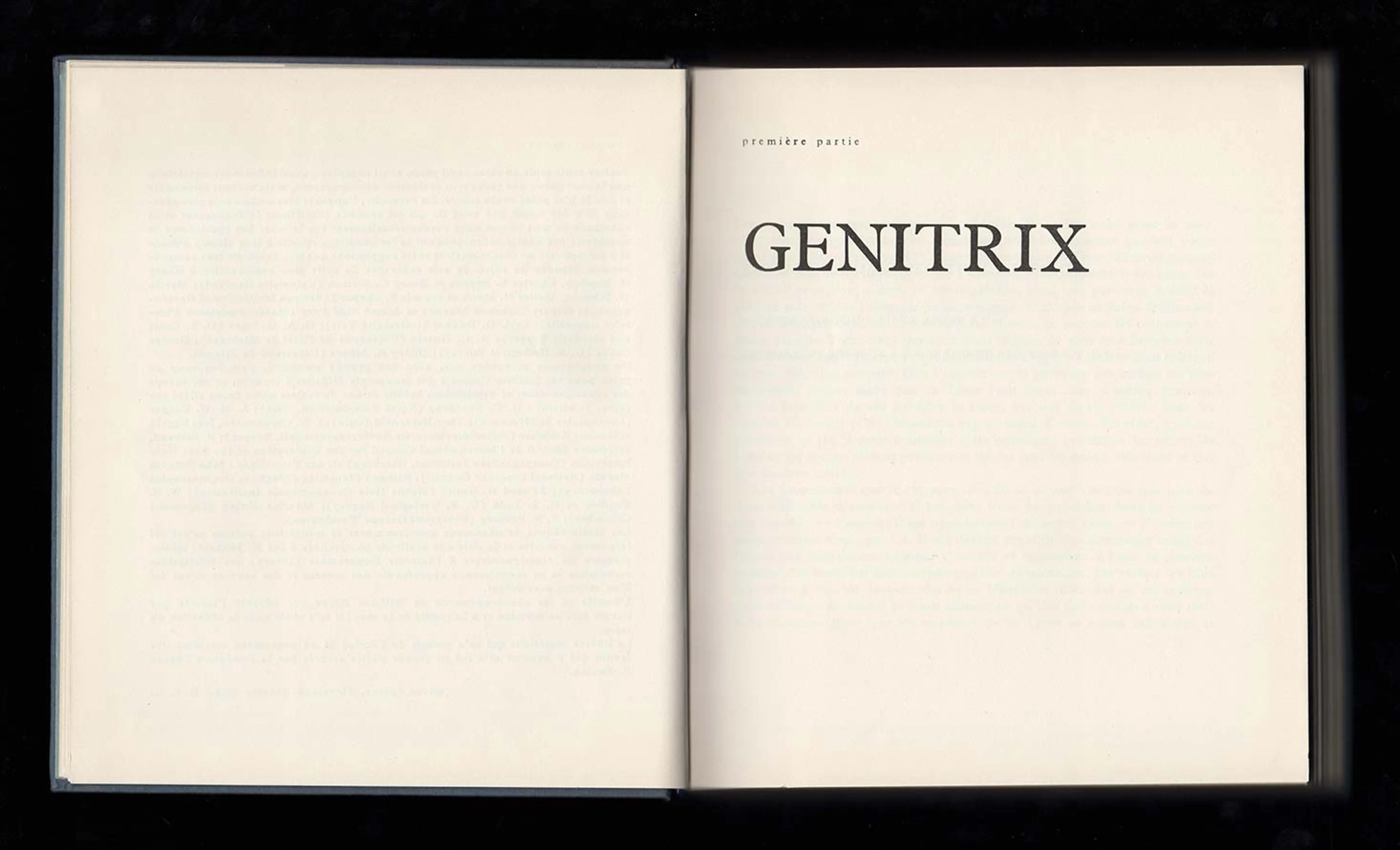
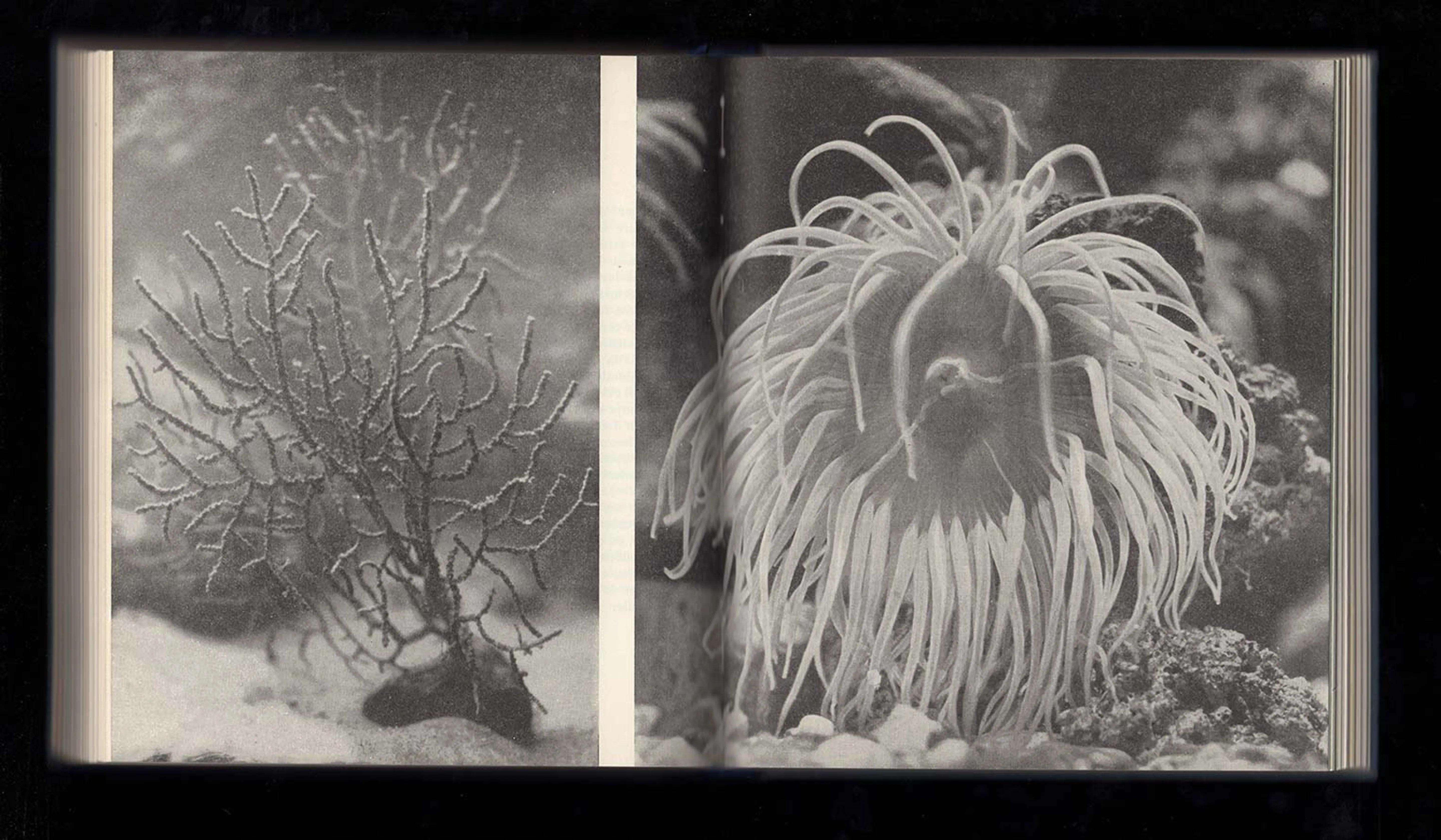
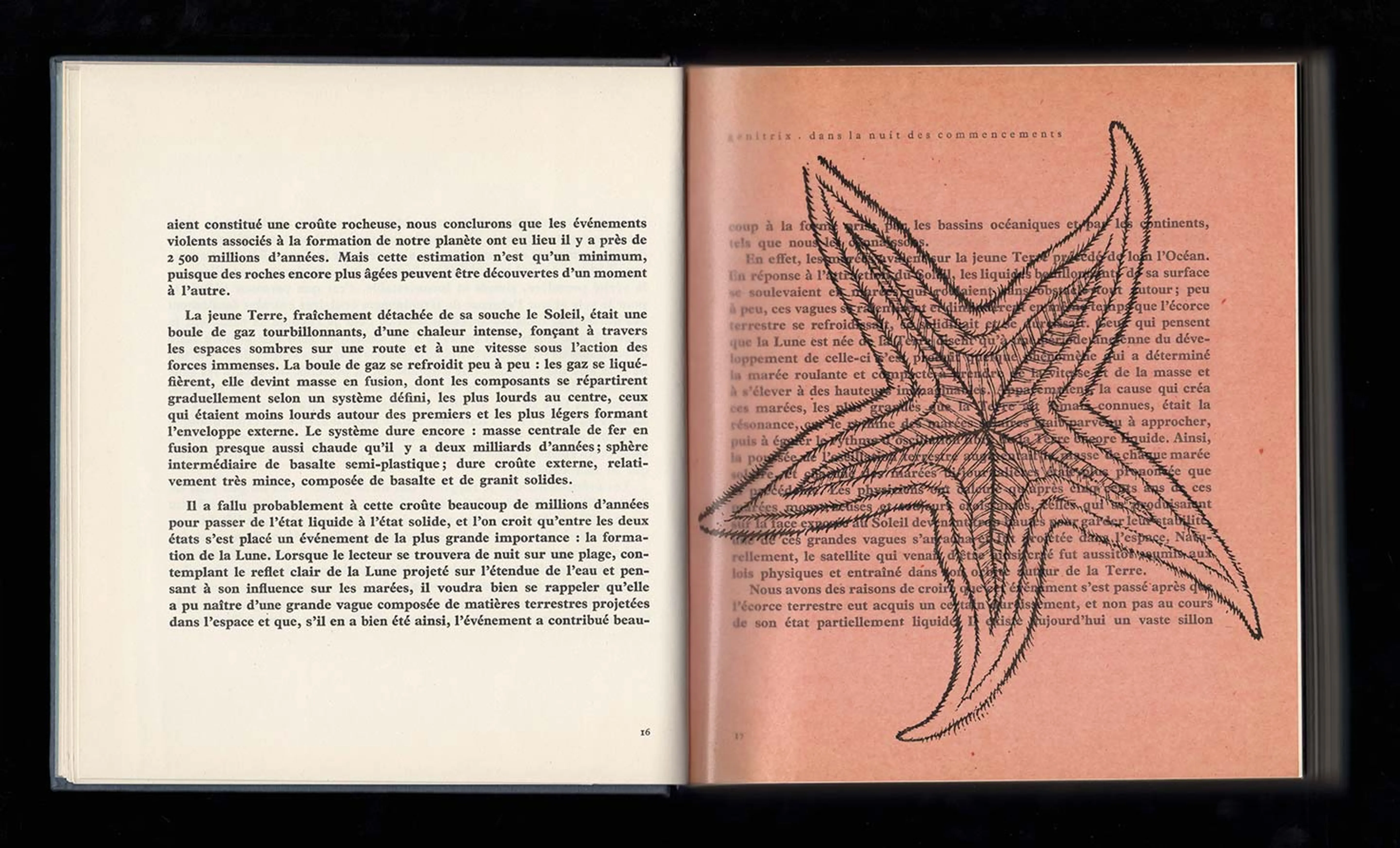
She went on to design over 100 books for the Club between 1954 and 1961. Among my favourites are Cette mer qui nous entoure by the American marine biologist and ecologist Rachel L. Carlson, published in the same year as La joie. With this book, Fricker gets to experiment with the physicality of the book, by the use of different materials, starting with a cloth-bound hardcover with illustrations of marine life creatures silkscreened in 4 different colours, with a dust jacket in transparent semi-hard plastic, with lines representing the movement of water silkscreened in black. This game of transparencies doesn’t end here. Inside the book, we find different illustrations of marine life printed in semitransparent coloured paper that interact with the text. At times, we can find two of these pages following each other, giving us several possibilities to interact with the same spread of text. Almost like being underwater and seeing different creatures pass us by.
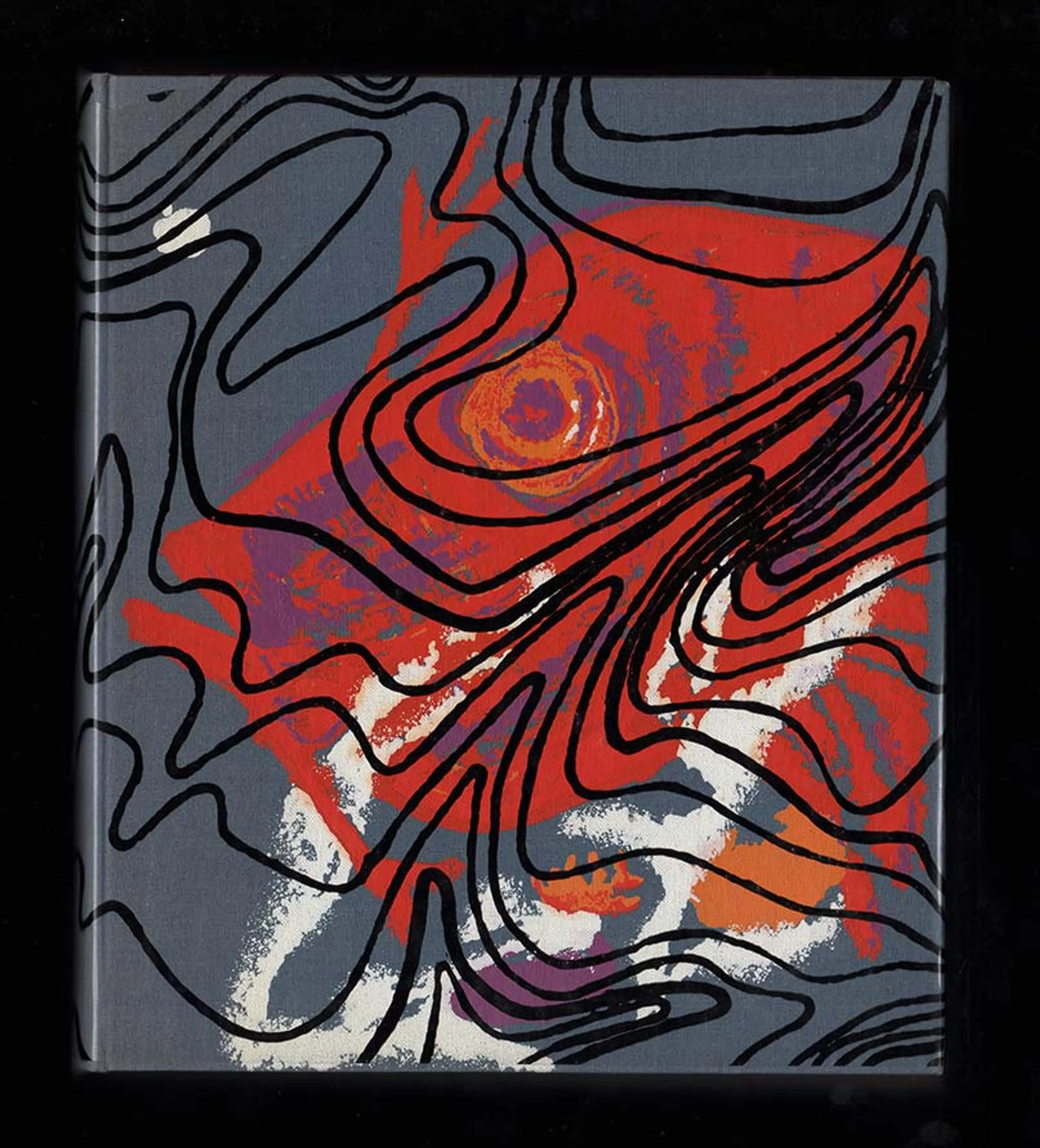
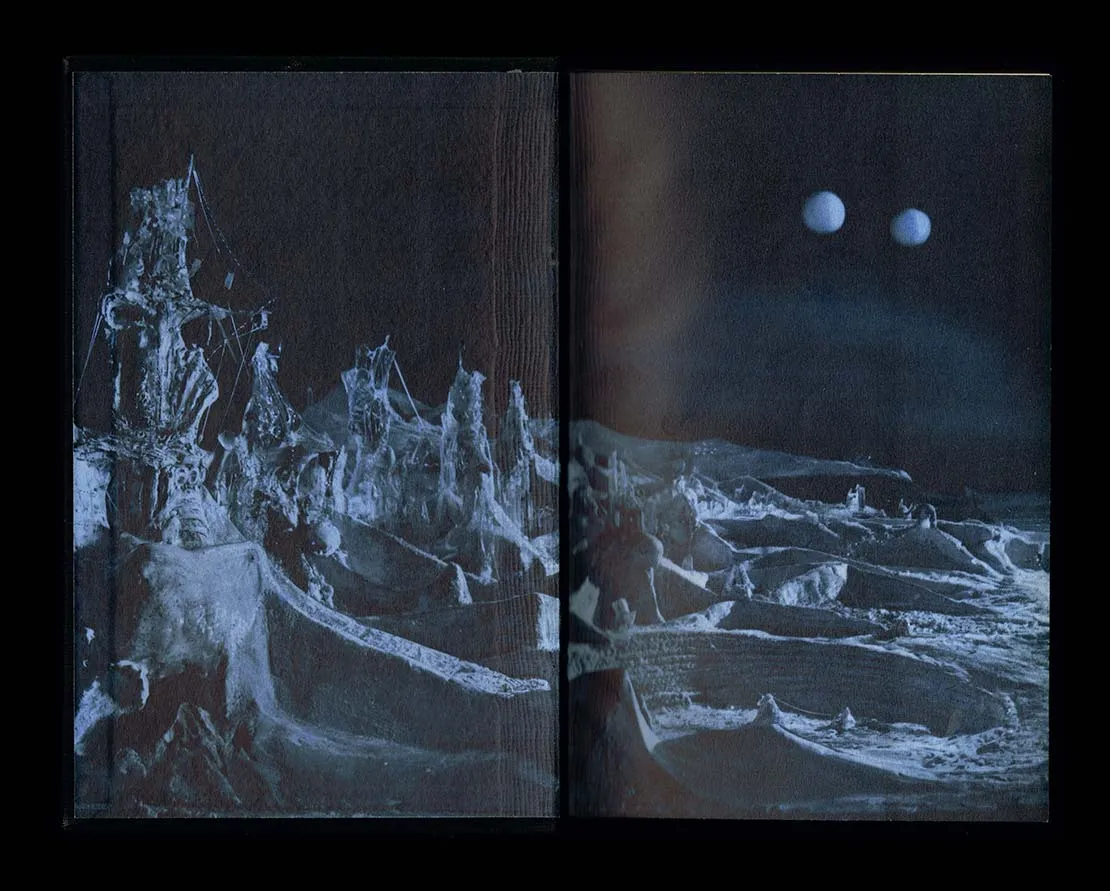
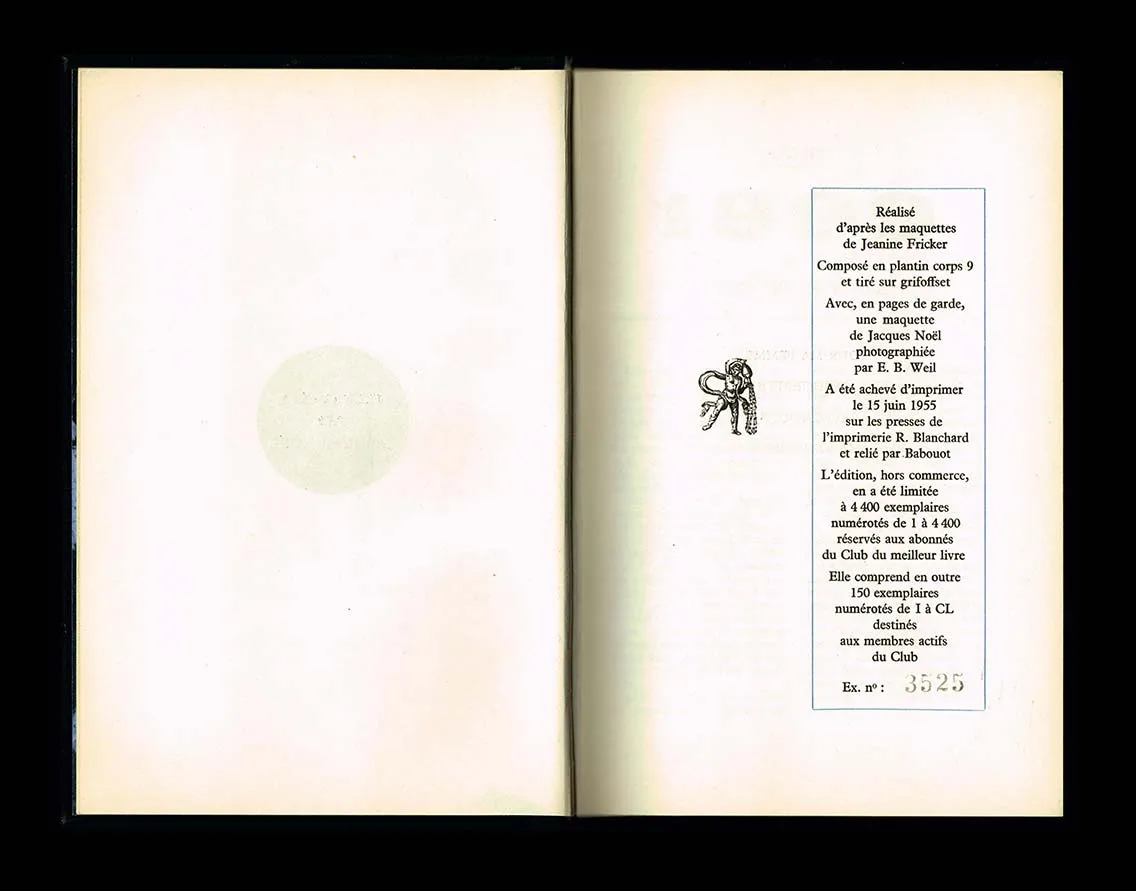
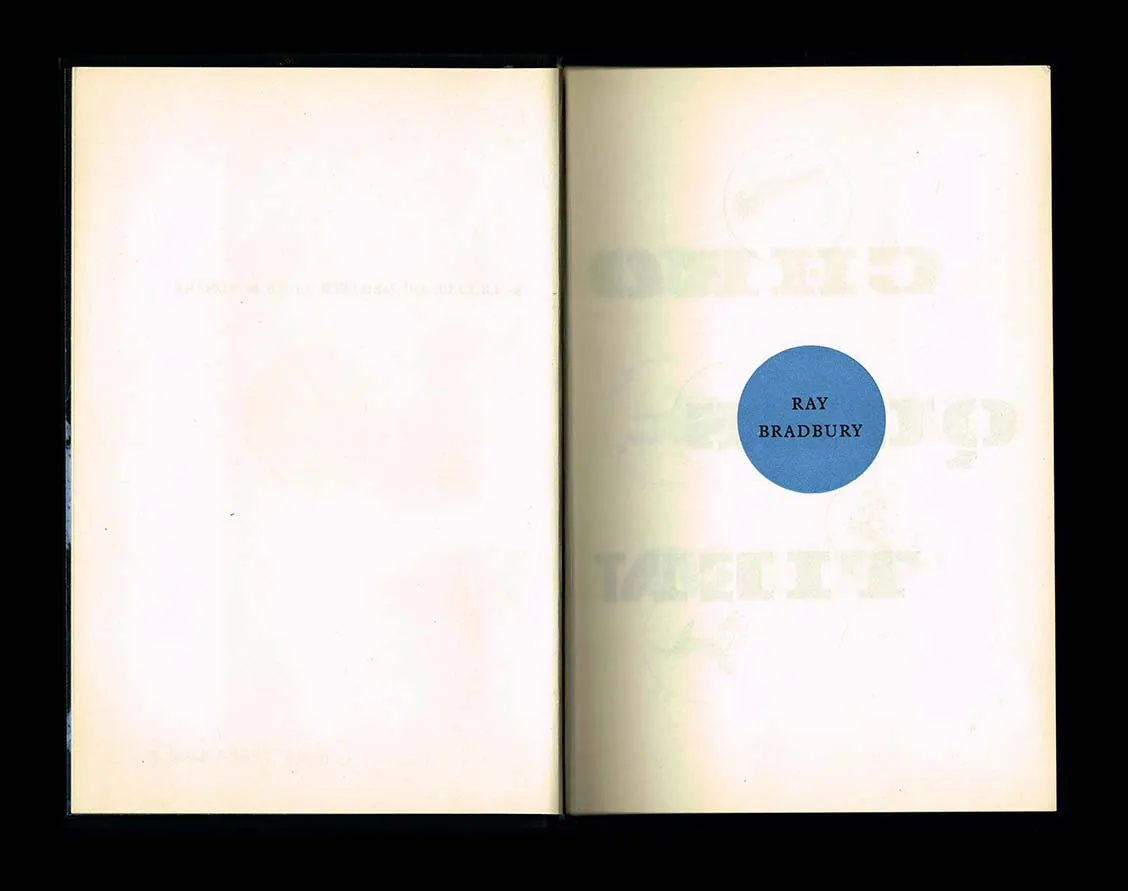
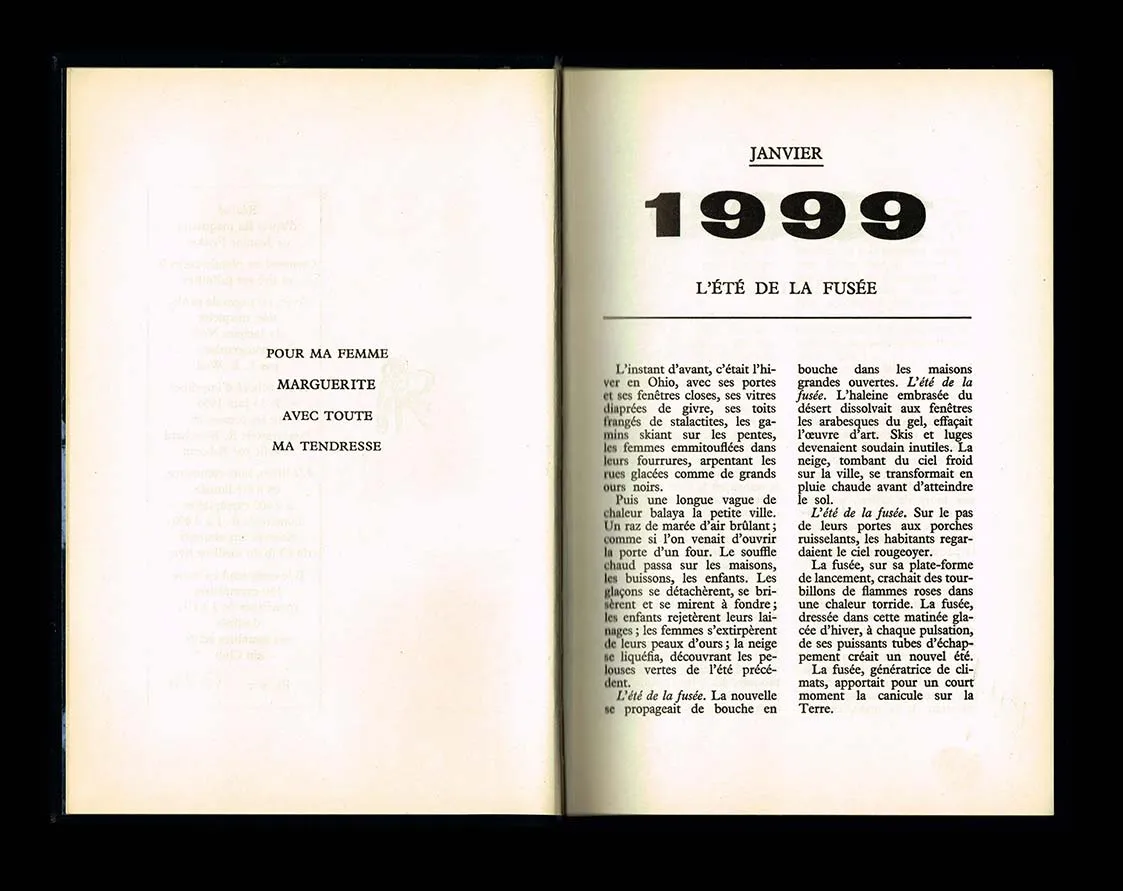
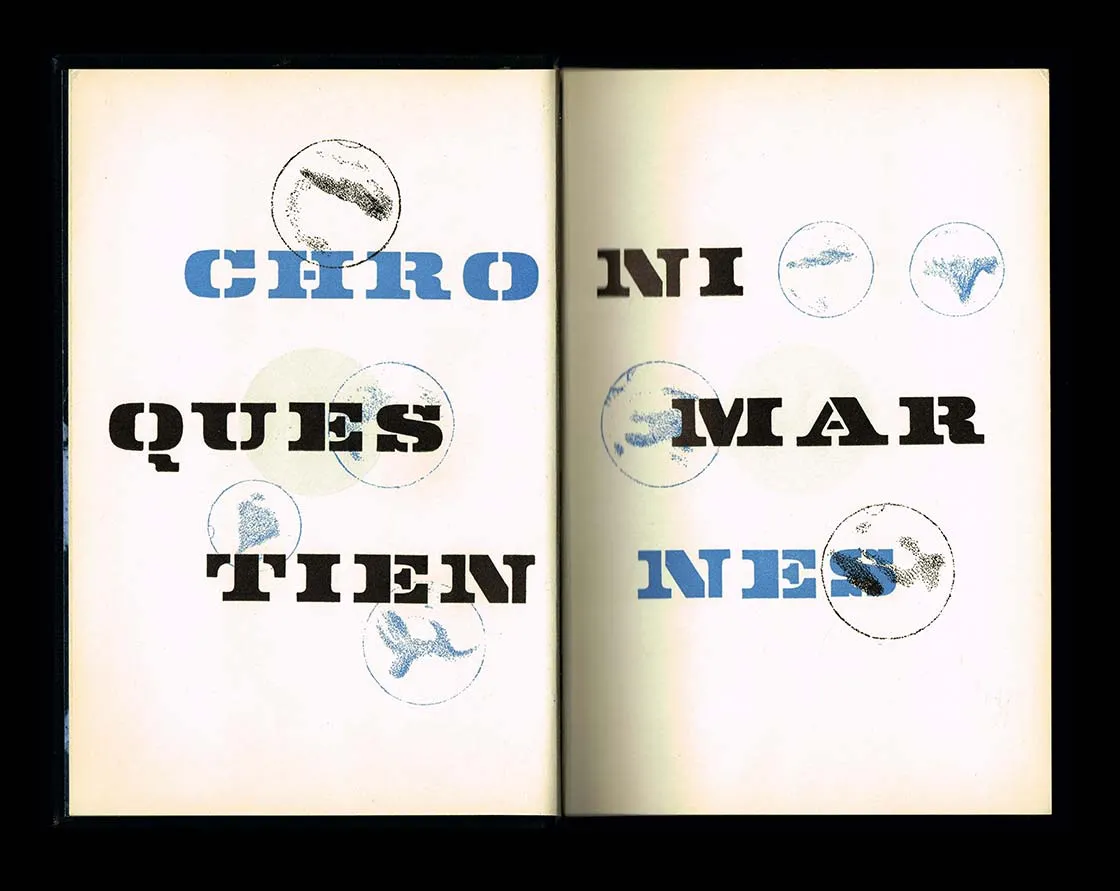
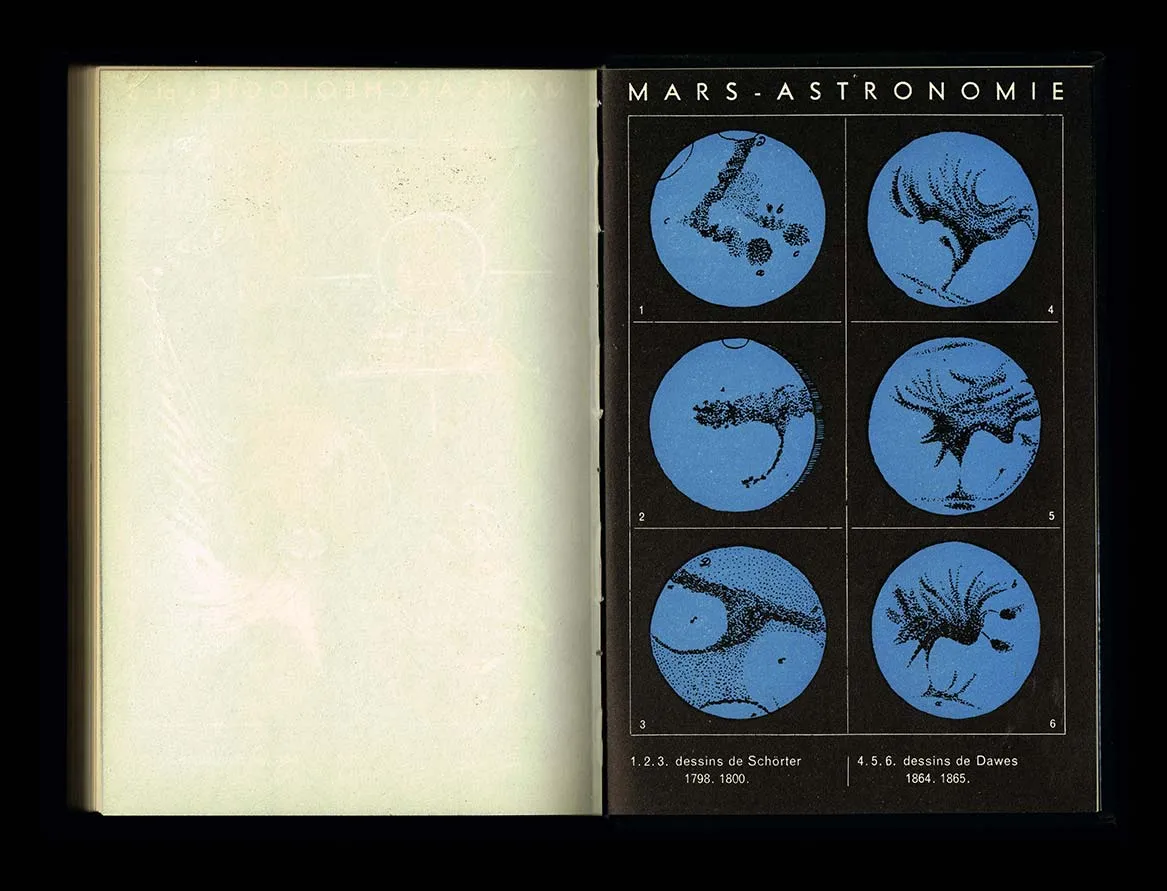
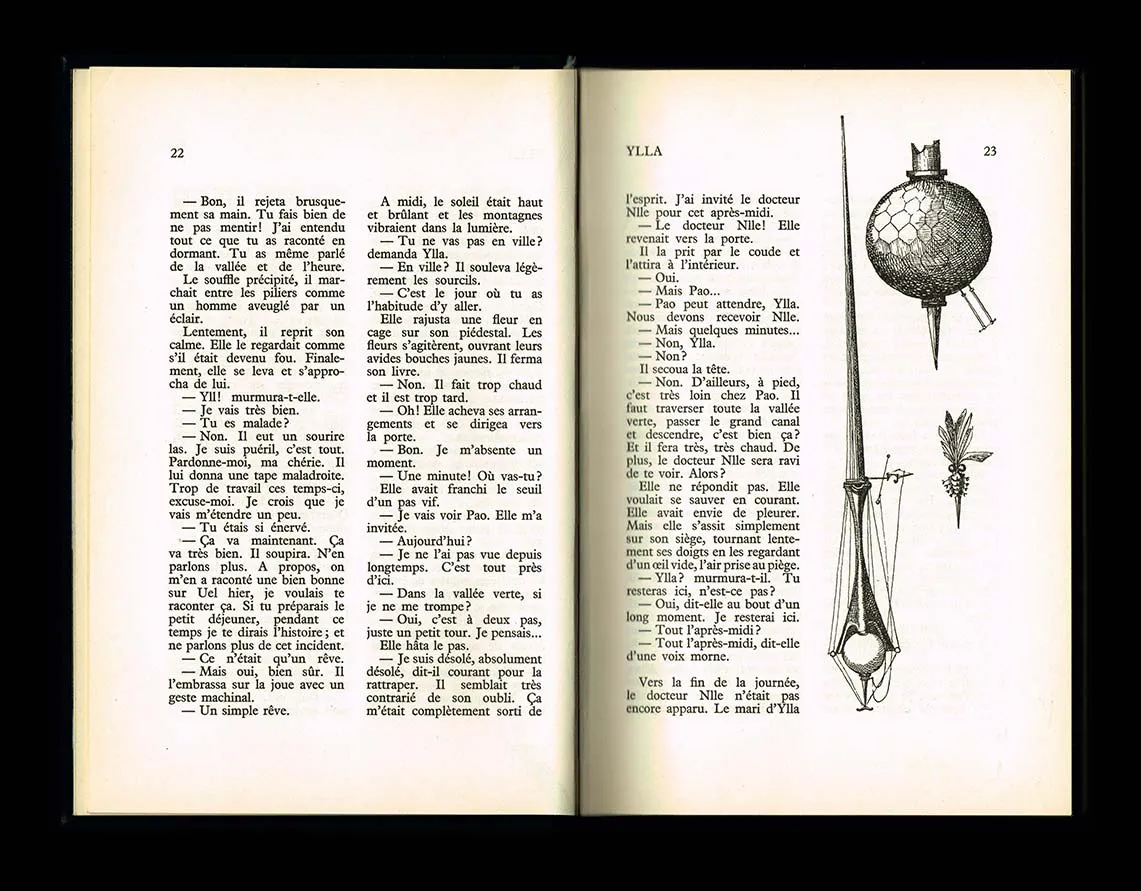
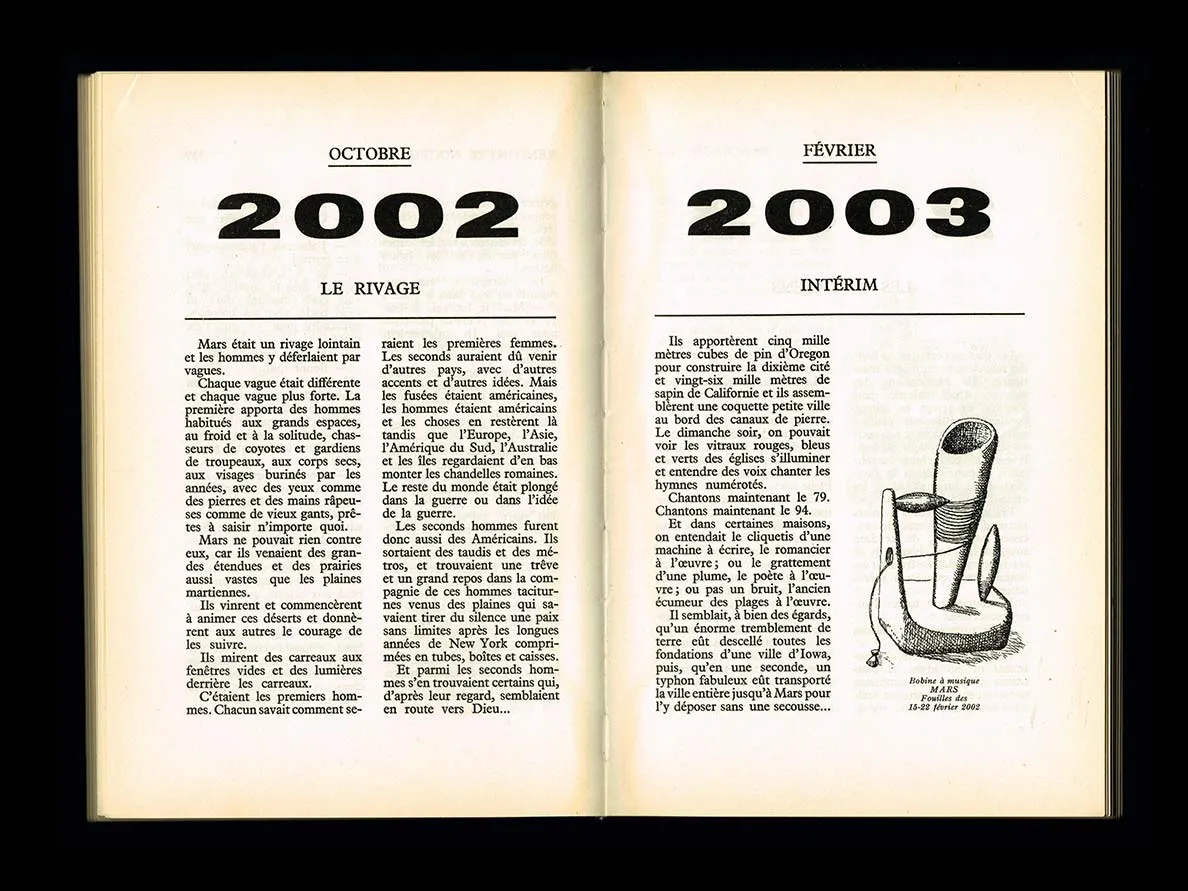
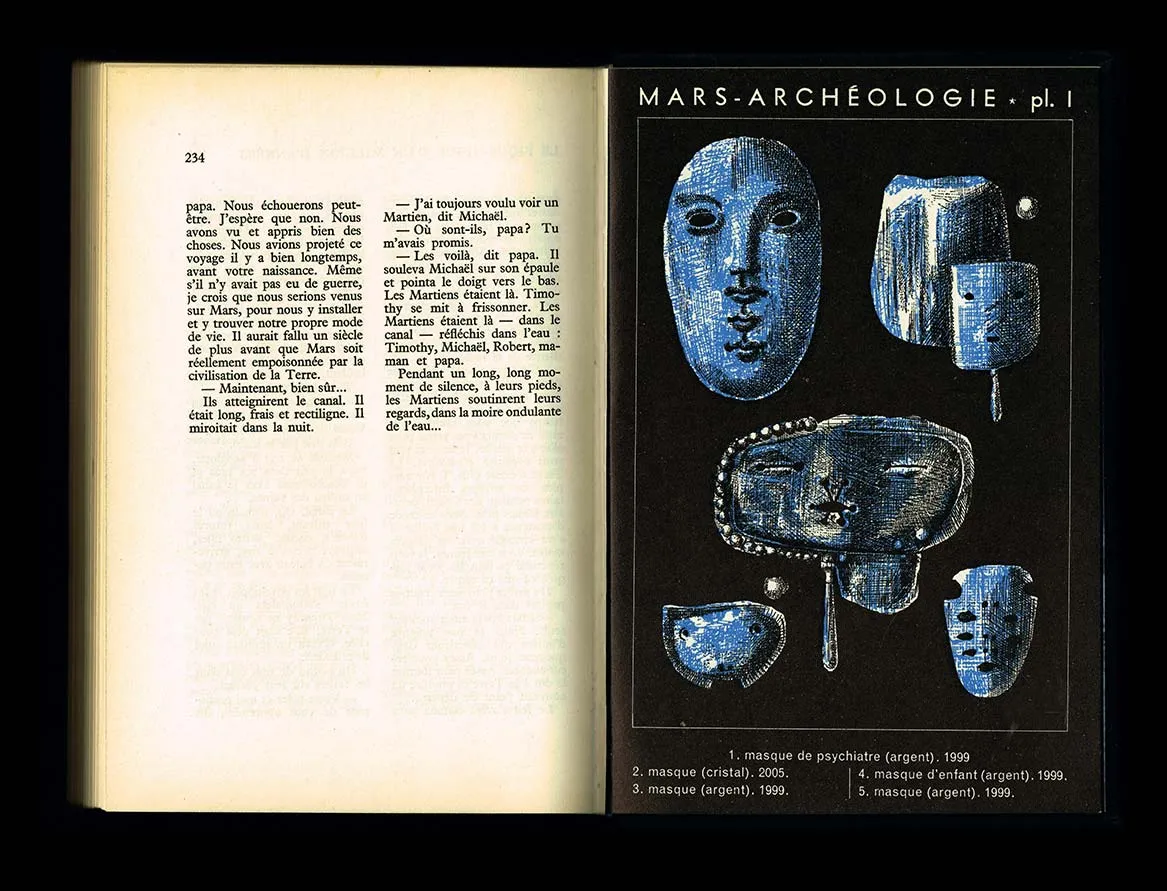
Another favourite from the collection is the famous book Chroniques Martiennes (The Martian Chronicles) by Ray Bradbury, published by the Club in 1955. In this book, the cloth-bound black hardcover is illustrated with a representation of the planet Mars in white and blue silkscreen, making a true impact over the dark black background. Inside the book, Fricker plays with its typography from the title page to the text block, where she decides to set the text in two columns with a big chapter title, helping us realise that this book is not composed of a single story but of different short stories written across time. The text is supported by illustrations of Jacques Noël, which help to visualise the storytelling better.

At the beginning, Fricker designs books for the Club du meilleur livre collection as a side job, while maintaining her position at Larousse. However, she quickly takes the step towards independence, and in the mid-1950s she decides to work independently as a graphic designer. By the 1960s until the mid-1970s, she ran a studio under her name in Paris, employing eight people.
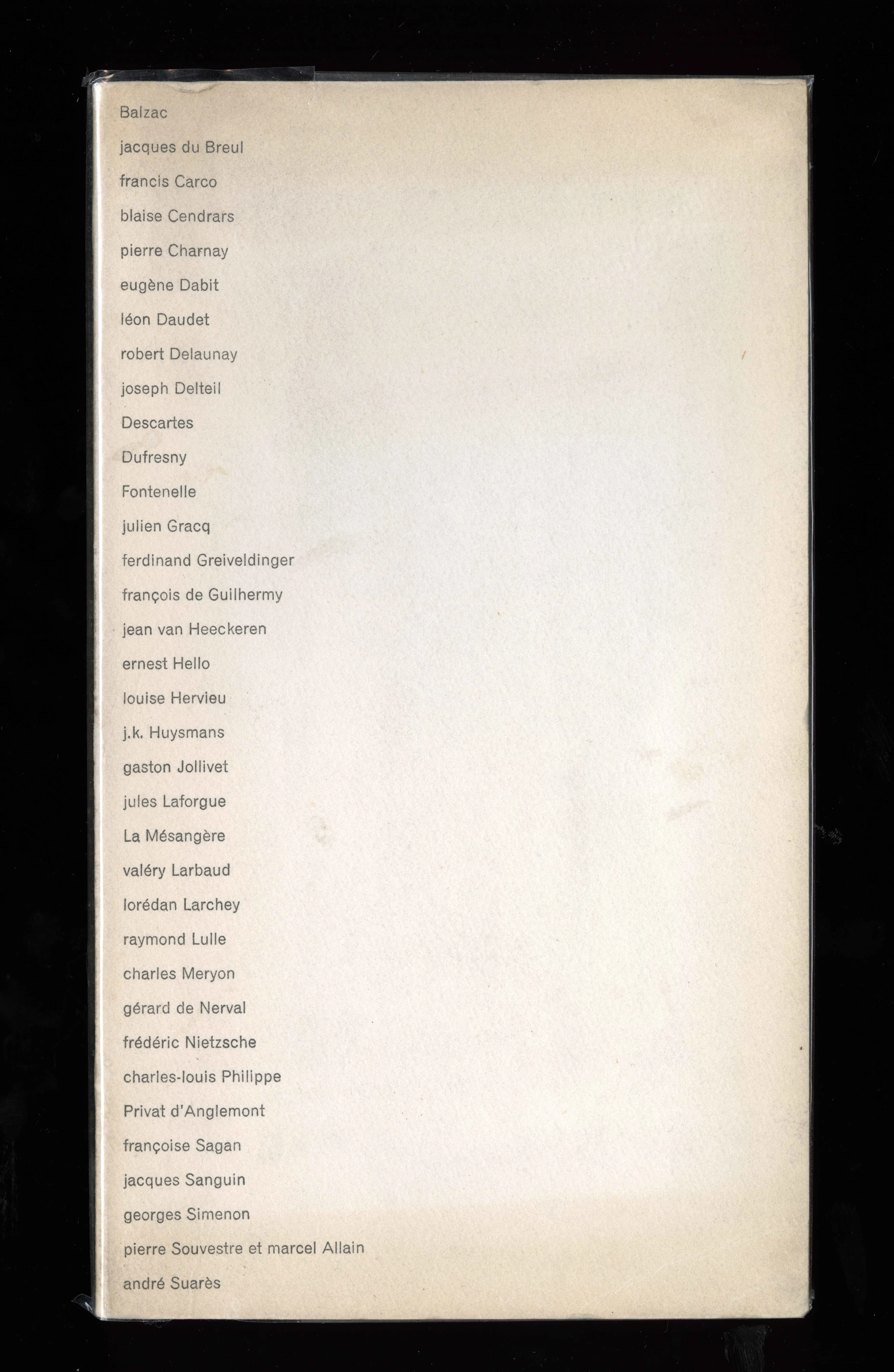
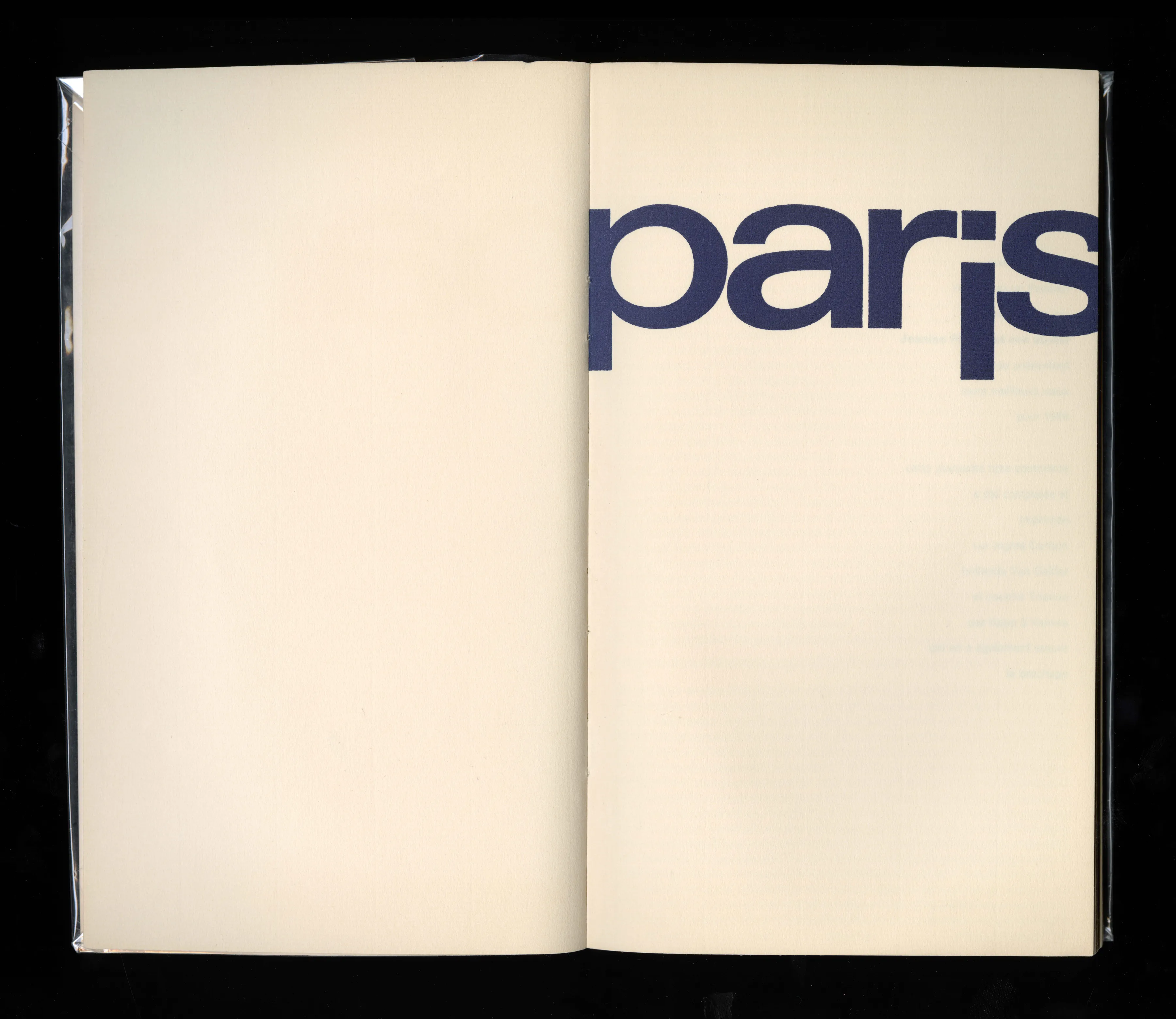
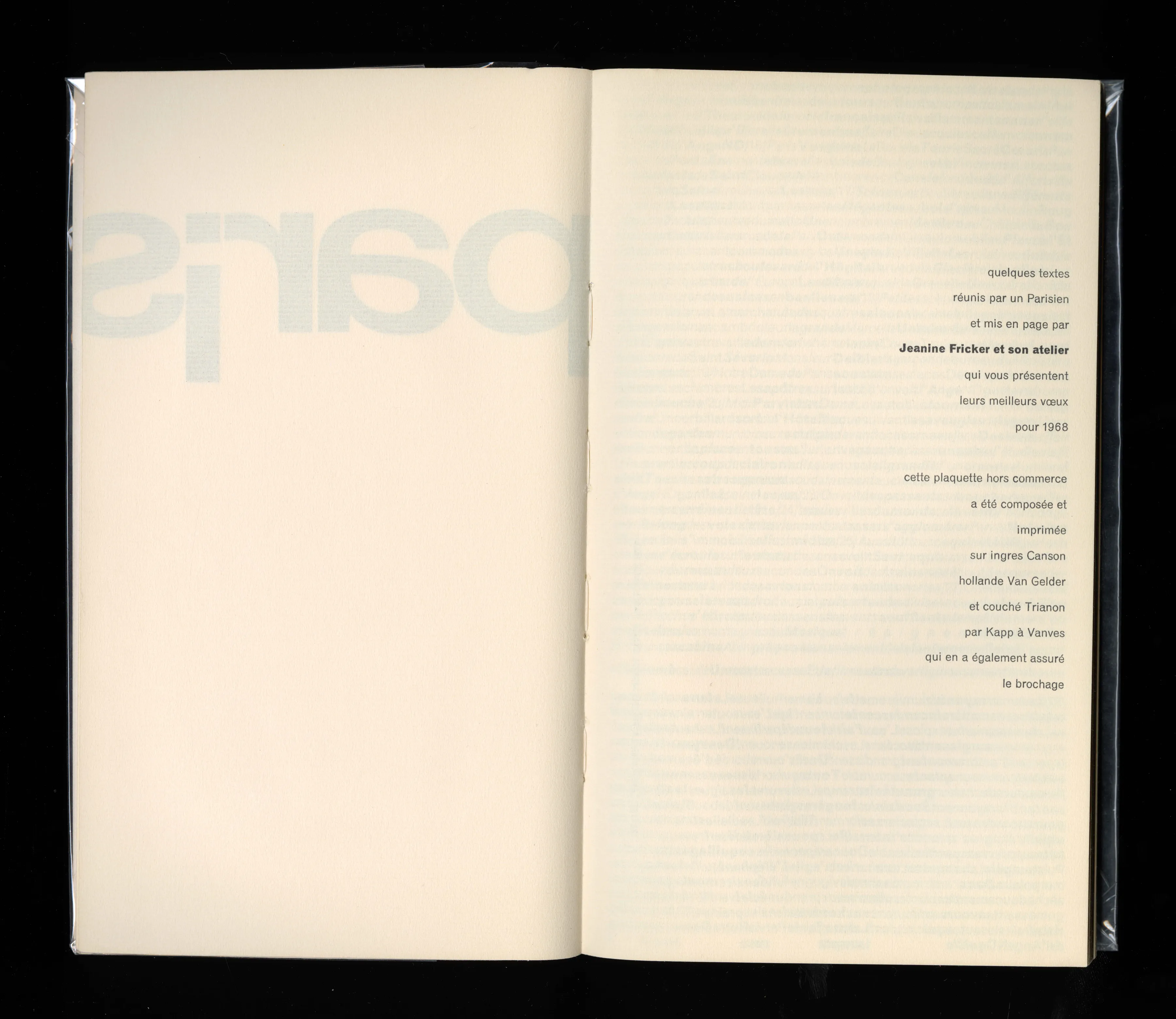
Some years ago, a dear friend gifted me a very precious book that he found in a second-hand bookstore in Paris. A book published by Fricker’s studio, to be given to clients and friends. The edition, simply called Paris, published in 1968, pays homage to the city that she loved so much, with poems from different authors portraying the city, accompanied by small illustrations. This book is one of the rare objects to which I had access, in which the studio is mentioned.
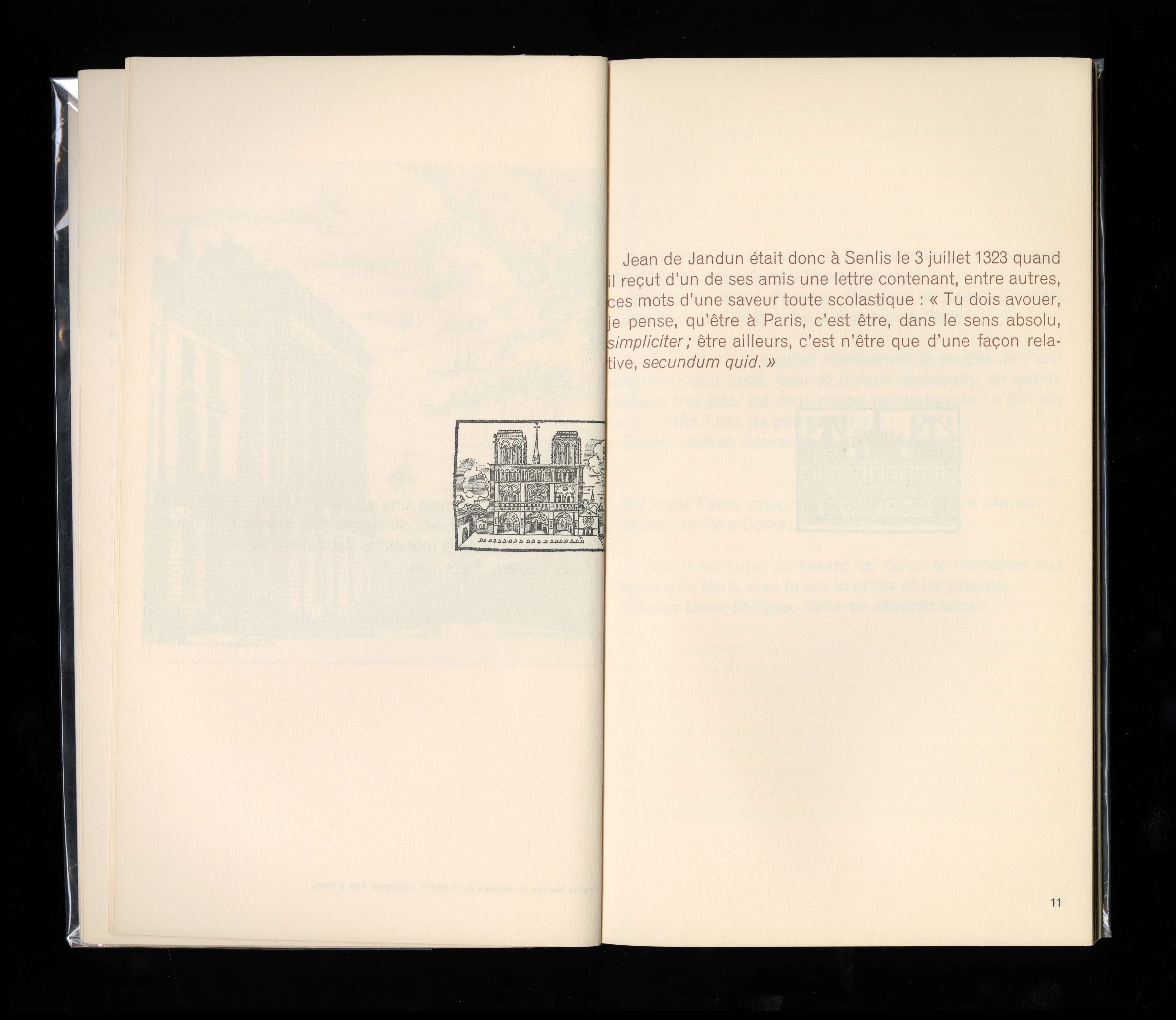
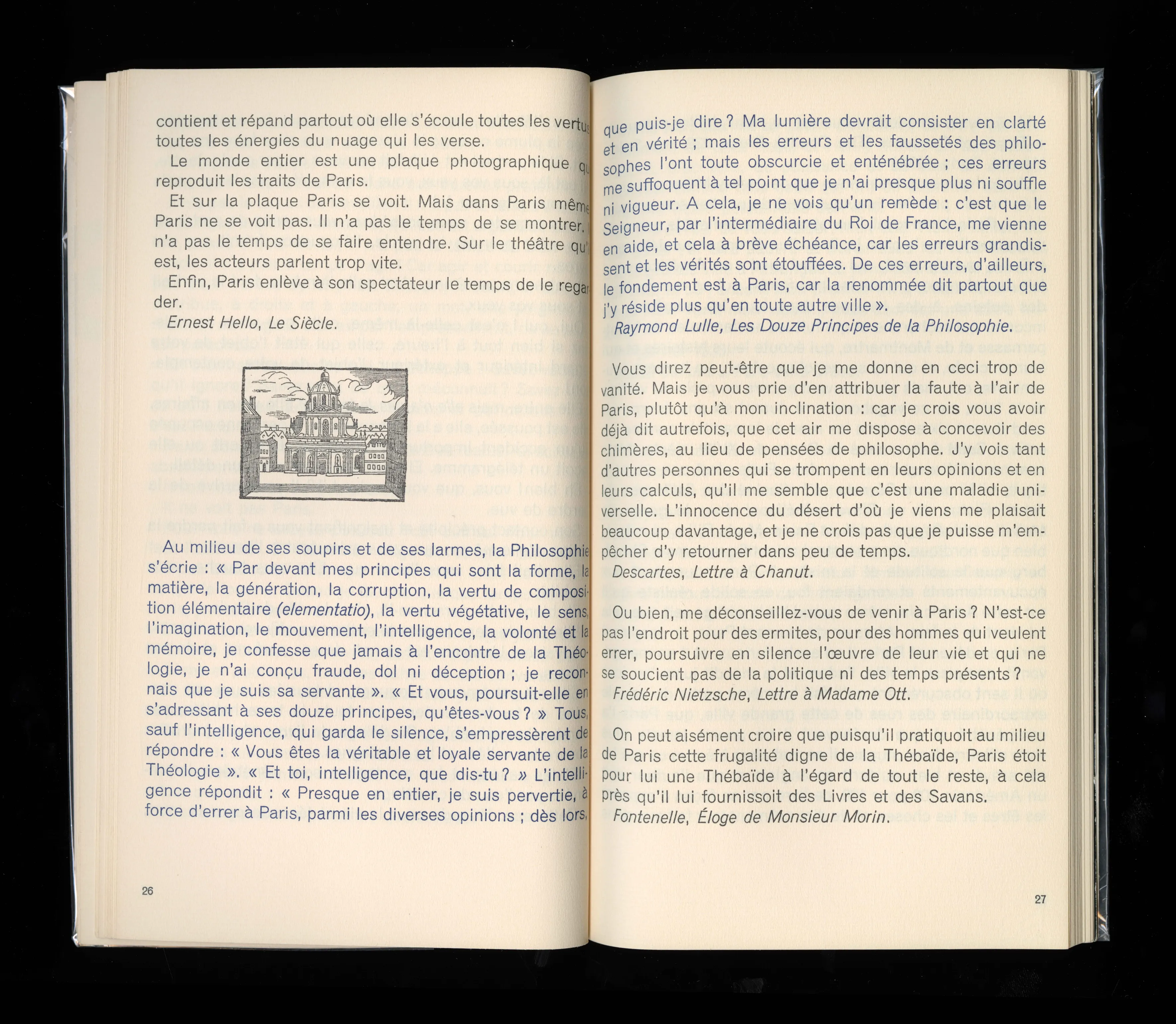
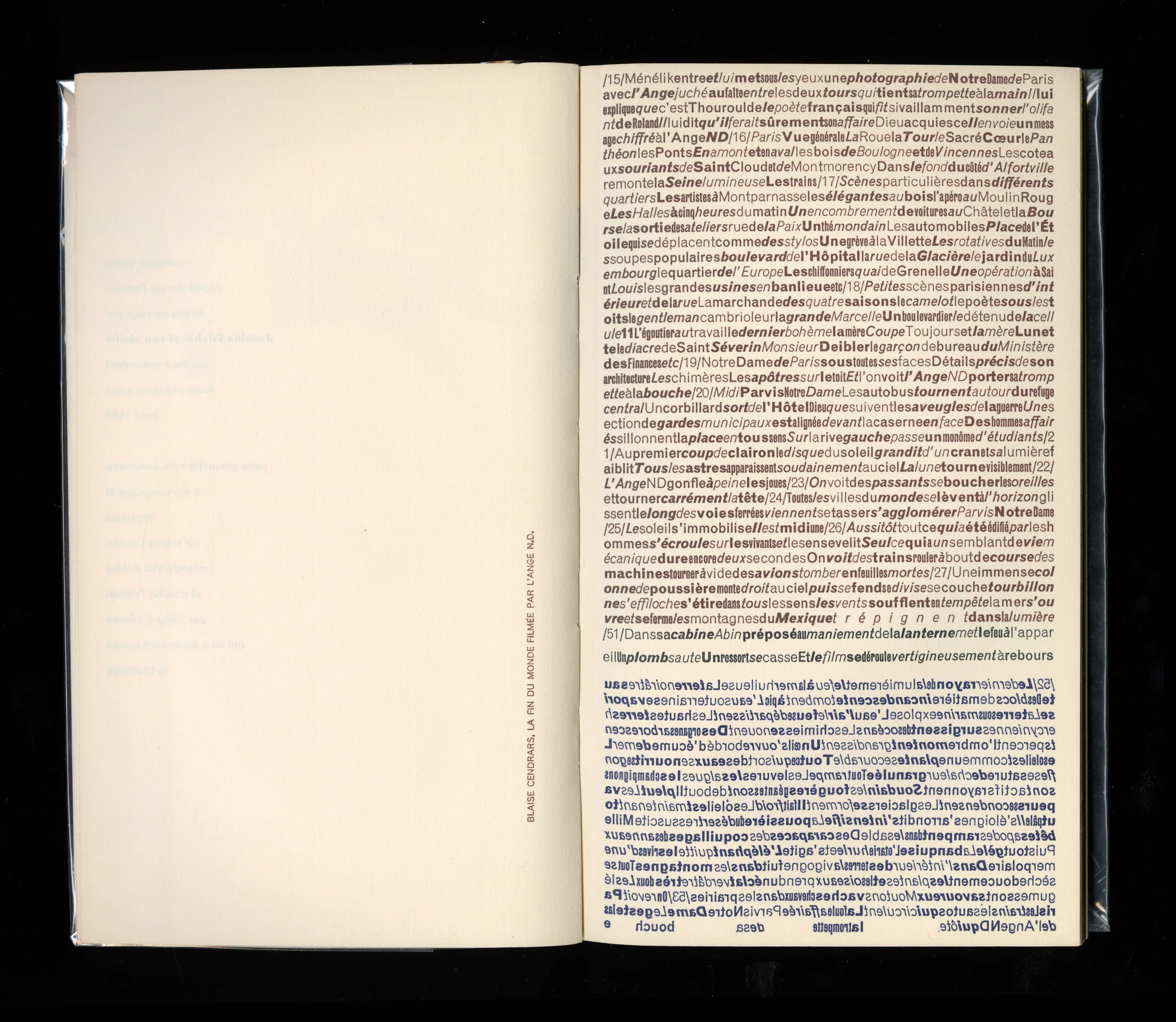
In 1974, she decided to liquidate the studio and collaborate with people sporadically as freelancers.
At the same time, she started collaborating with other publishing houses, such as Gautier-Languereau, Arthème Fayard, the Club Cercle du nouveau livre, Éditions Tallandier, Livre de Poche, and continued her relationship with Larousse, and she got a commission from the French Tourism Office to design a promotional book about France.
In 1962, the author André Malraux, then France’s Minister of Culture, invited Fricker to redesign all printed material that would come out of the Ministry, including the design of art catalogues, invitations, and posters for exhibitions in some of the main art museums in France. From 1962 to 1973, she designed over 50 art catalogues, which were co-published by the Ministry of Culture and the Réunion des musées nationaux, for institutions such as the Louvre Museum, Orangerie Museum, National Museum of Modern Art, Decorative Arts Museum, Petit and Grand Palais.
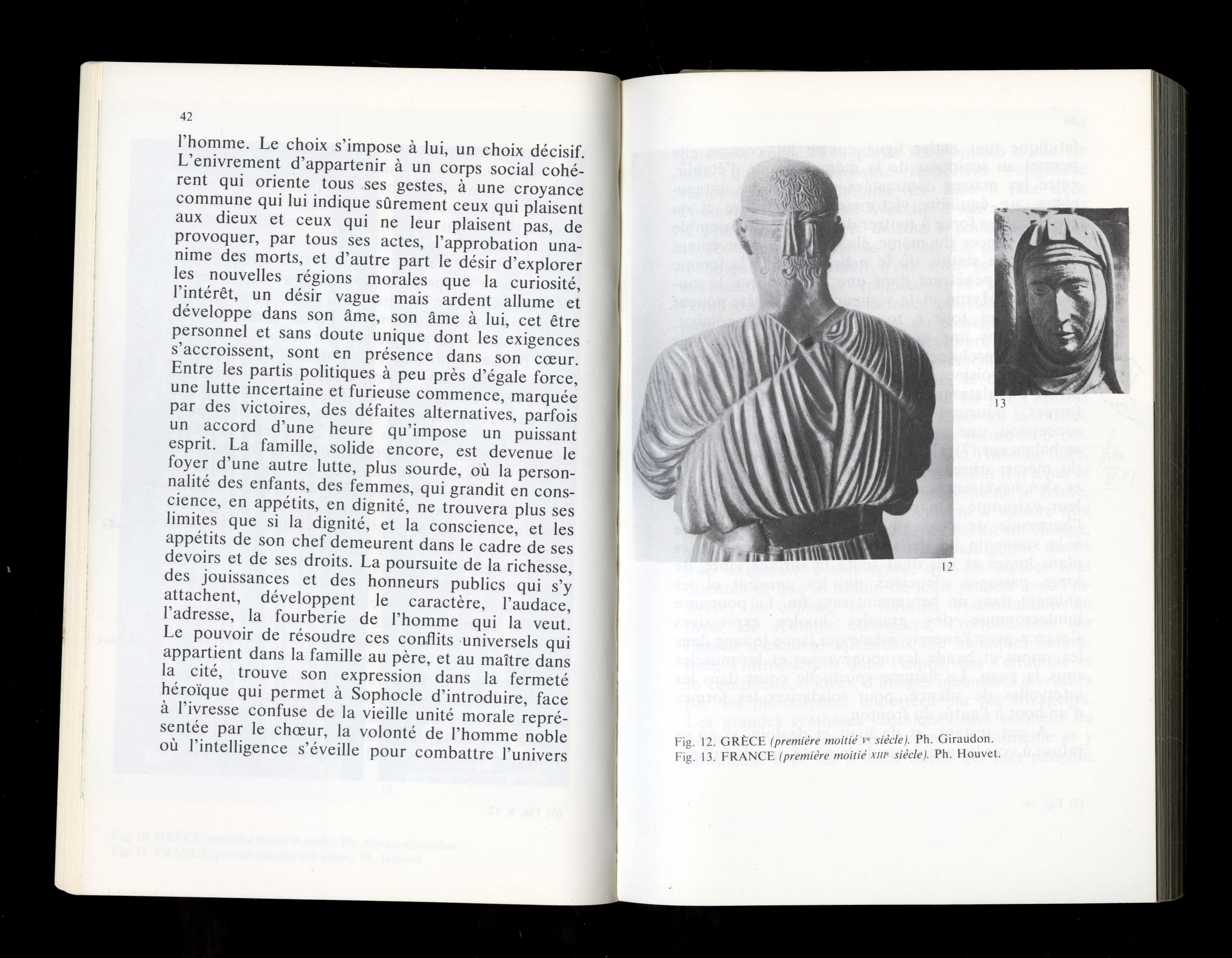
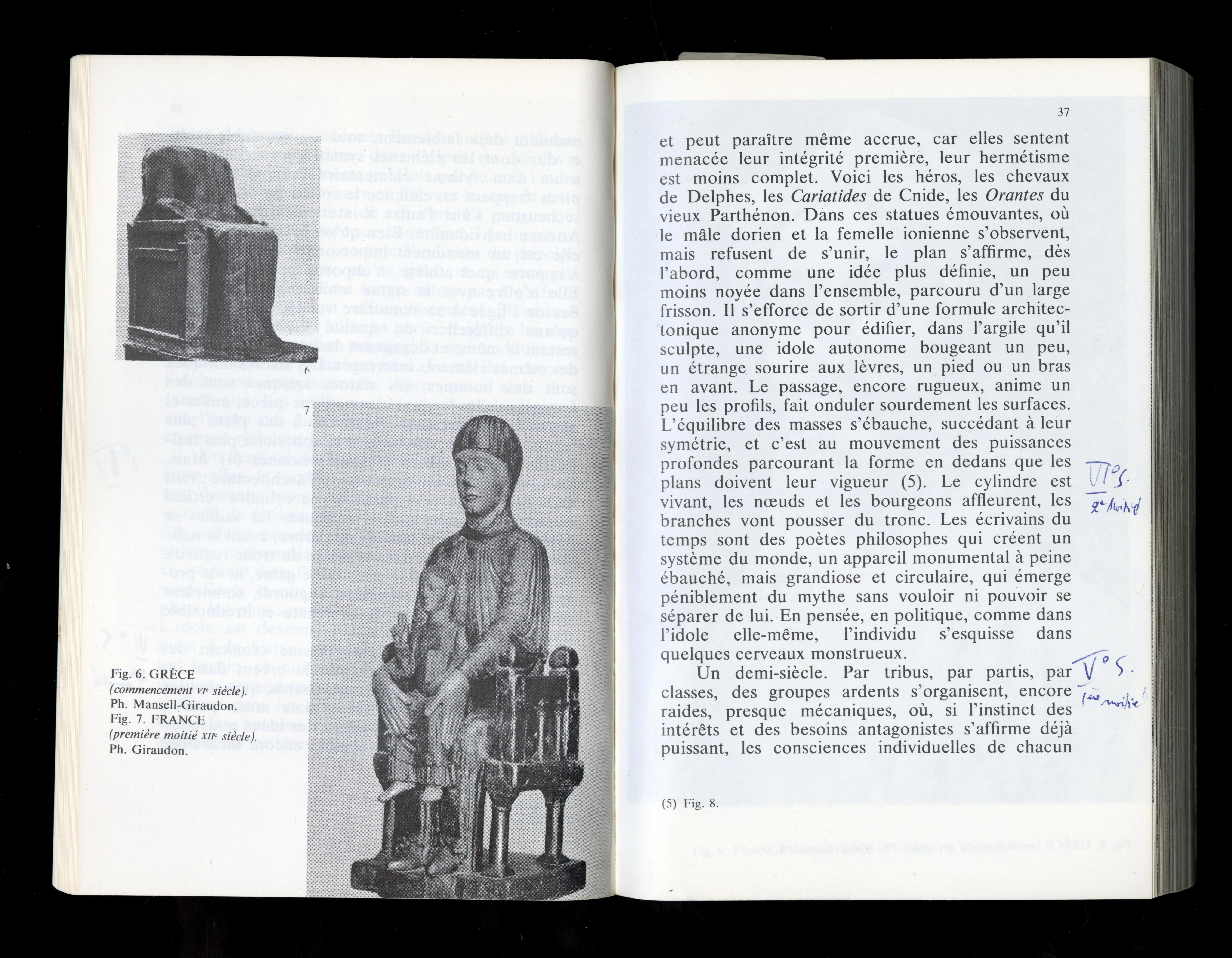
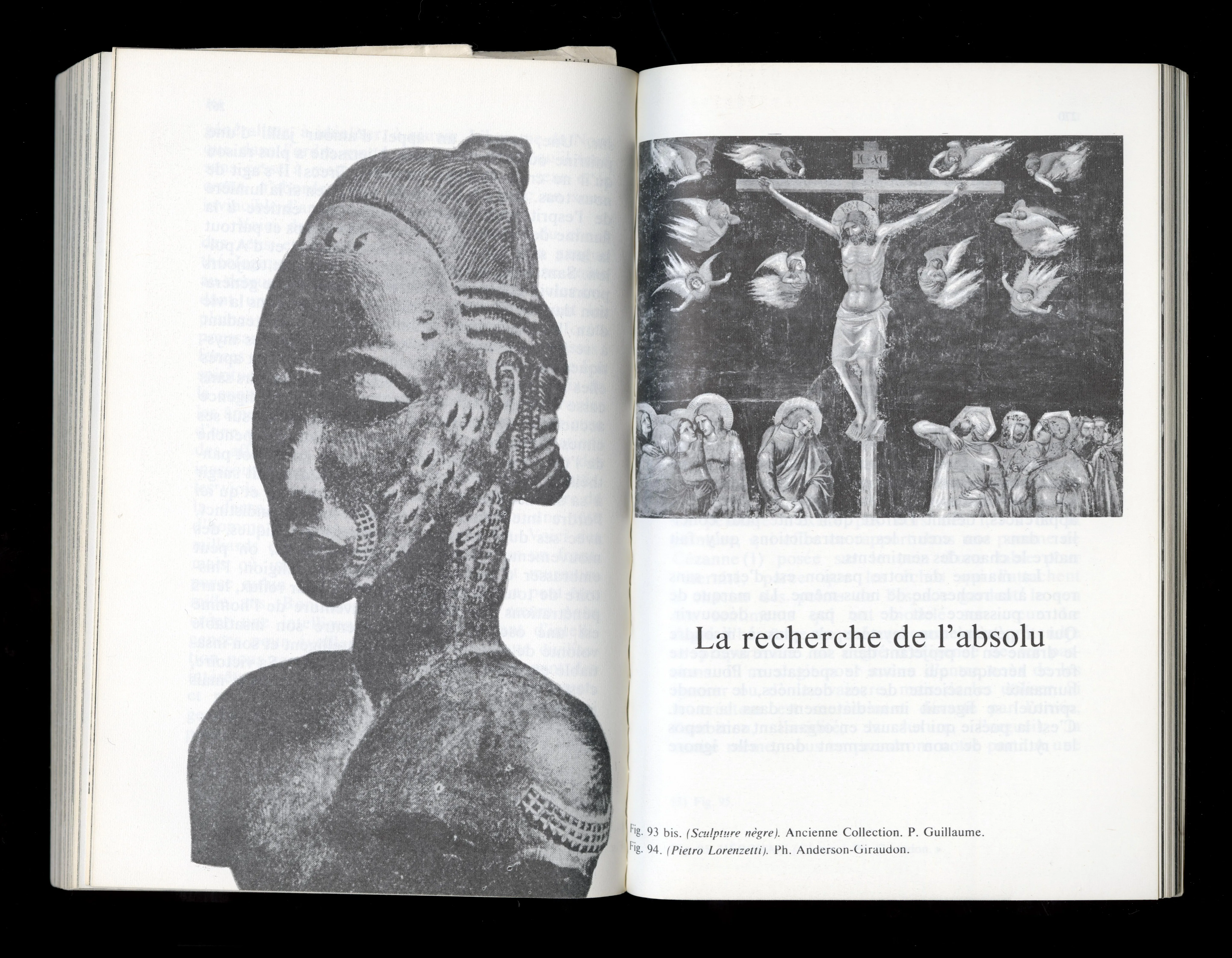
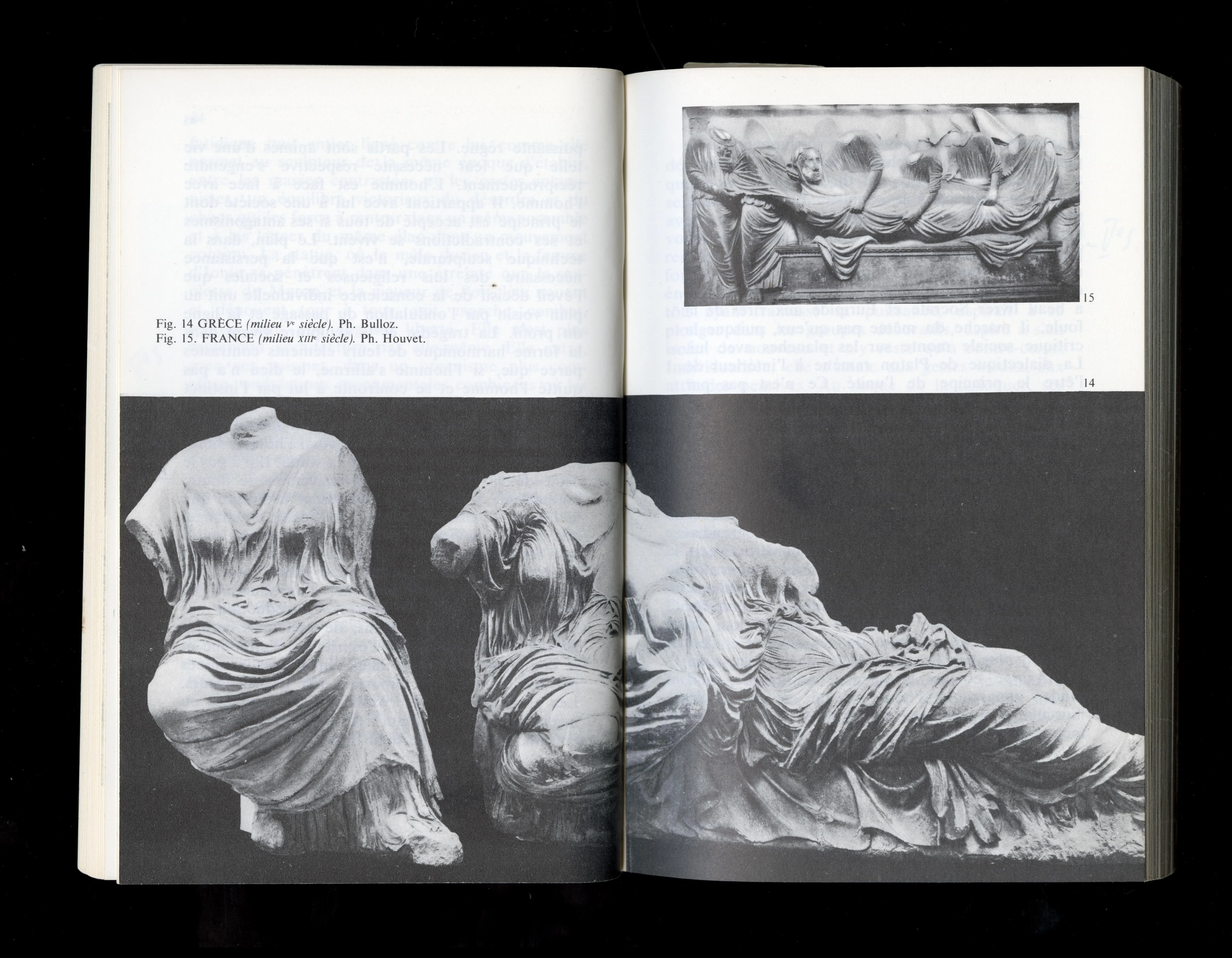
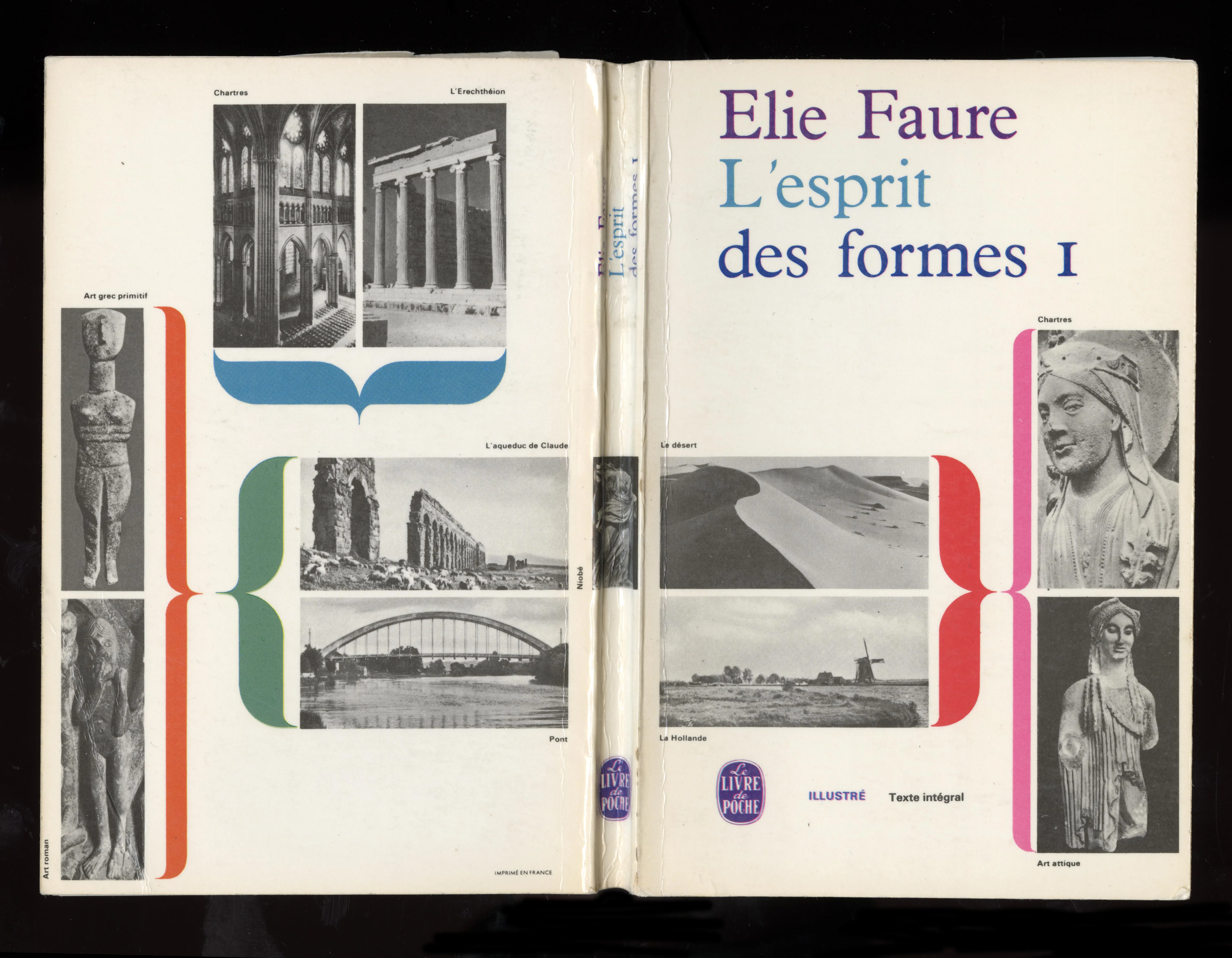
Among the works that she developed for the Ministry of Culture were the catalogues for exhibitions on Sonia Delaunay, Yves Klein, Picasso, Degas, Paul Klee, Henri Matisse, Sam Francis, Vieira da Silva, among many others, in addition to larger thematic exhibitions, such as “Chefs-d’œuvre de l’art mexicain” from 1962 or the exhibition “Toutankhamon et son temps” in 1967.
The catalogues for the Musée d’Art Modern are simple, usually of small format, starting with an introductory text on the artist, followed by reproductions of artworks mostly in black and white, with a rare color reproduction from time to time, and finishing with a list of exhibited pieces. While catalogues developed for other institutions, such as the Louvre, Petit and Grand Palais, are bigger and more complex.

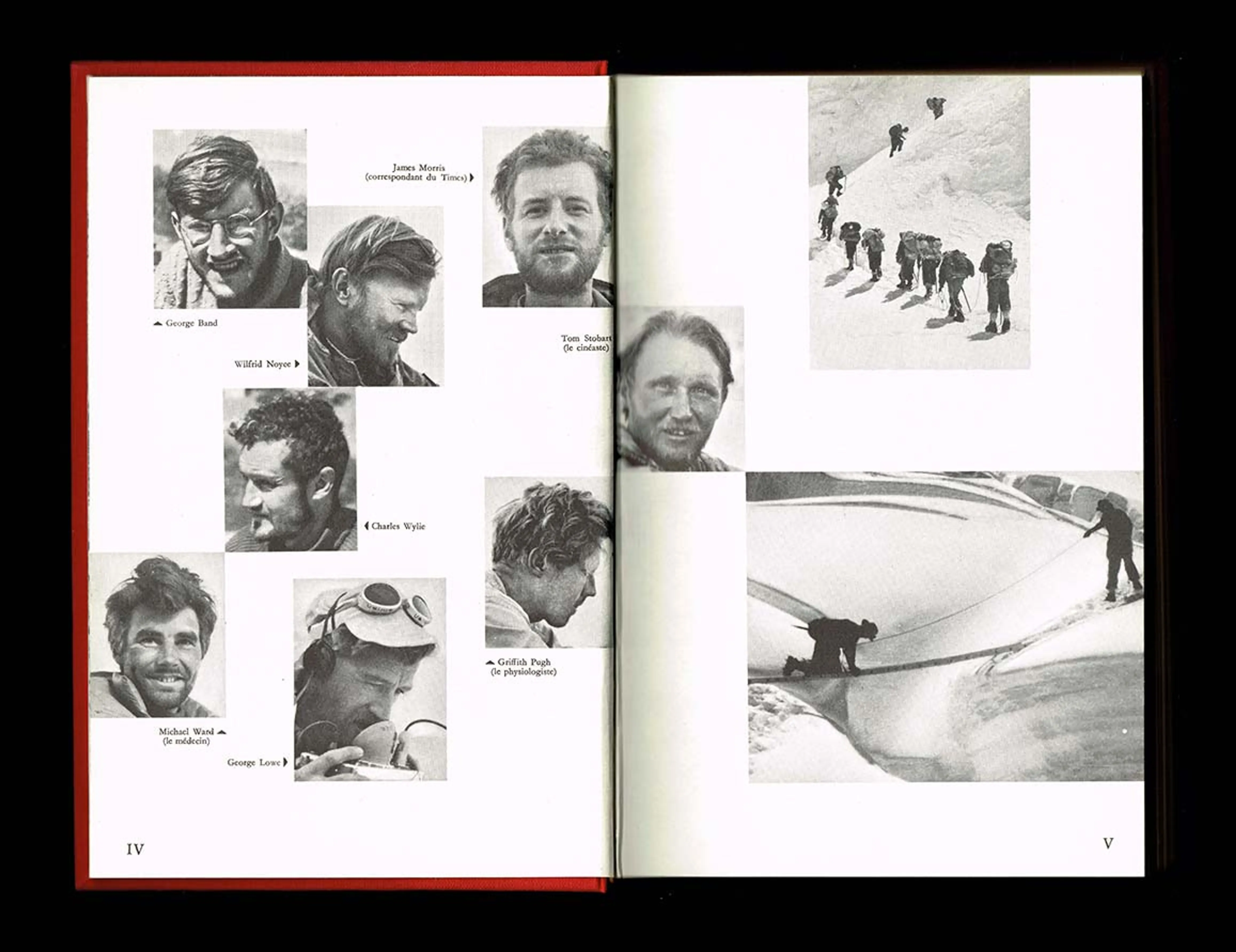
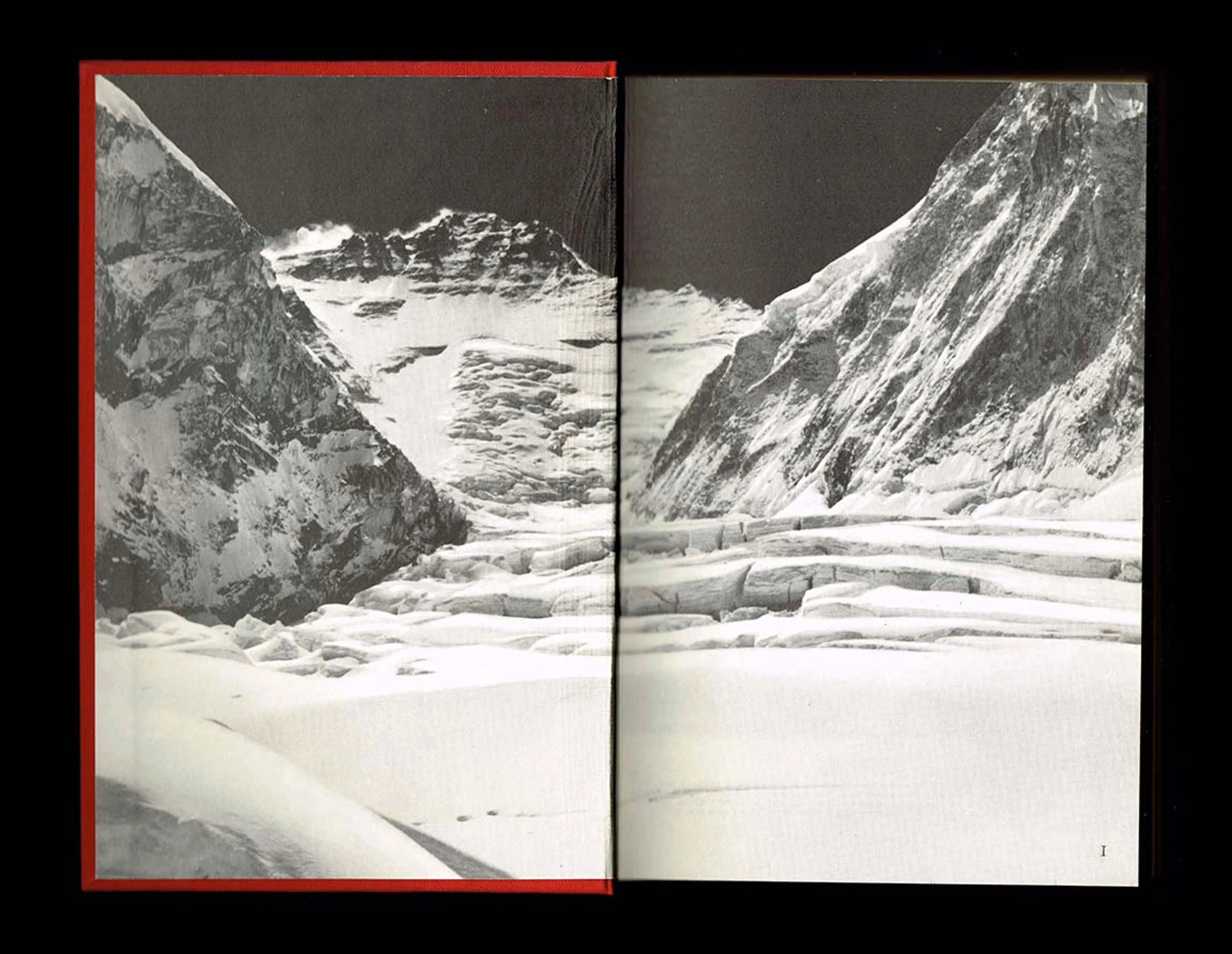

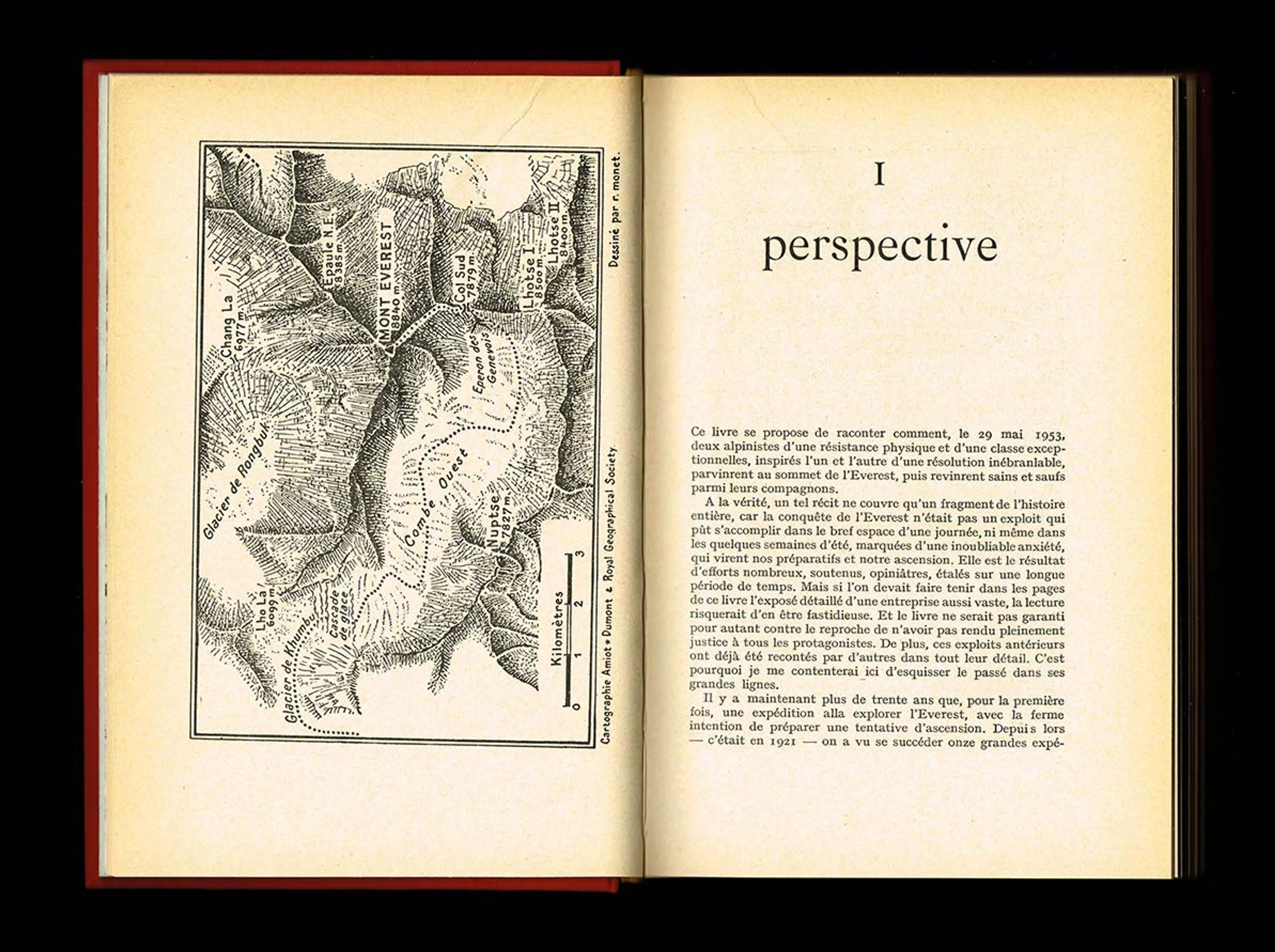
Her collaboration with the publishing house Tallandier consisted of designing the book covers for the book club Cercle du nouveau livre. She designed 100s of covers, around one per month, from 1962 to 1985. The covers are mostly text-based with contrasting colours.
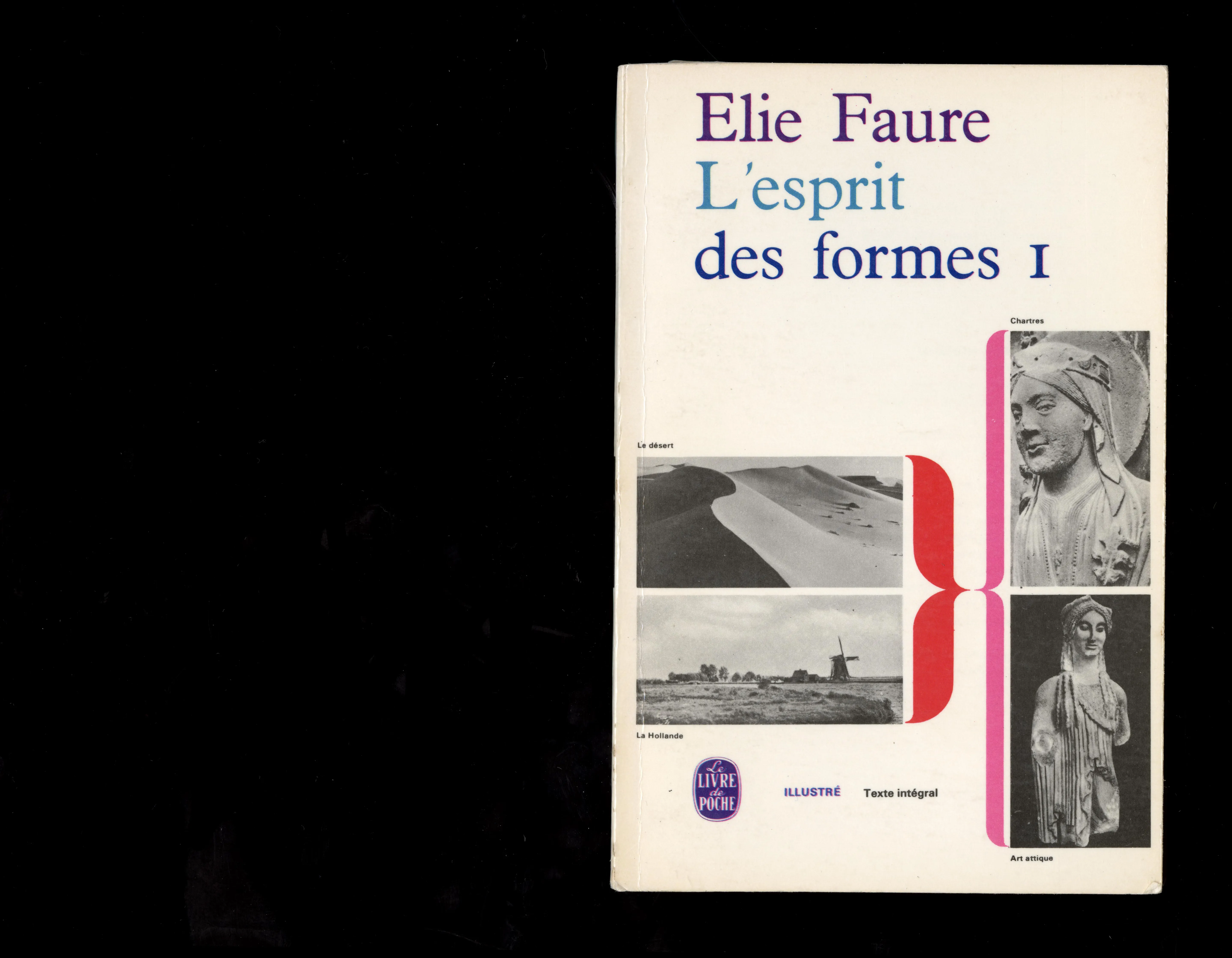
Around the same time, she was invited to design the interior layout for the collection “Art” by the publishing house Livres de Poche, while the studio of Pierre Fauchaux designed the covers. Despite having a mostly conventional layout, Fricker brings dynamism to the pages with the position of the images on the spread, where images are usually unaligned with the text box.
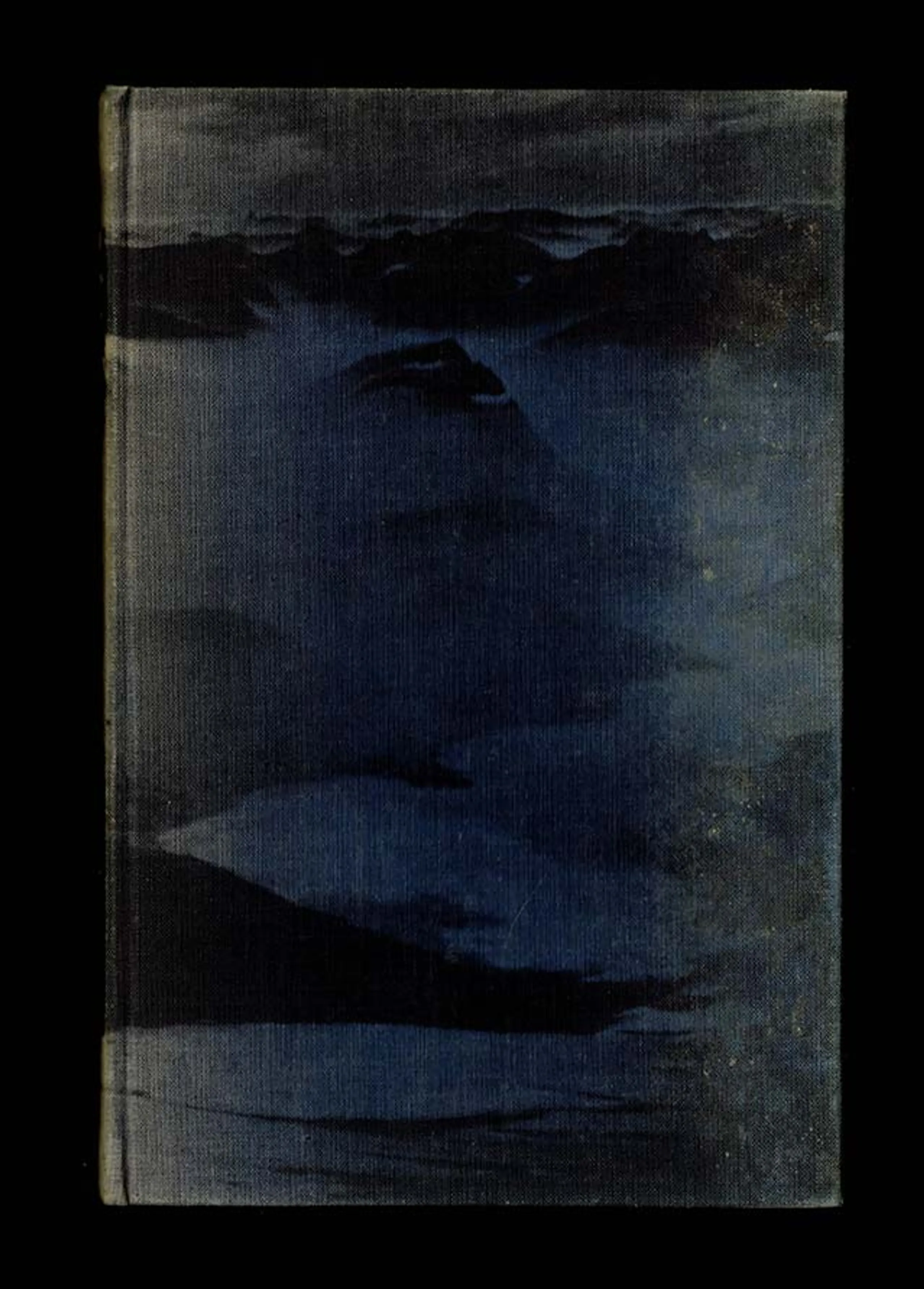
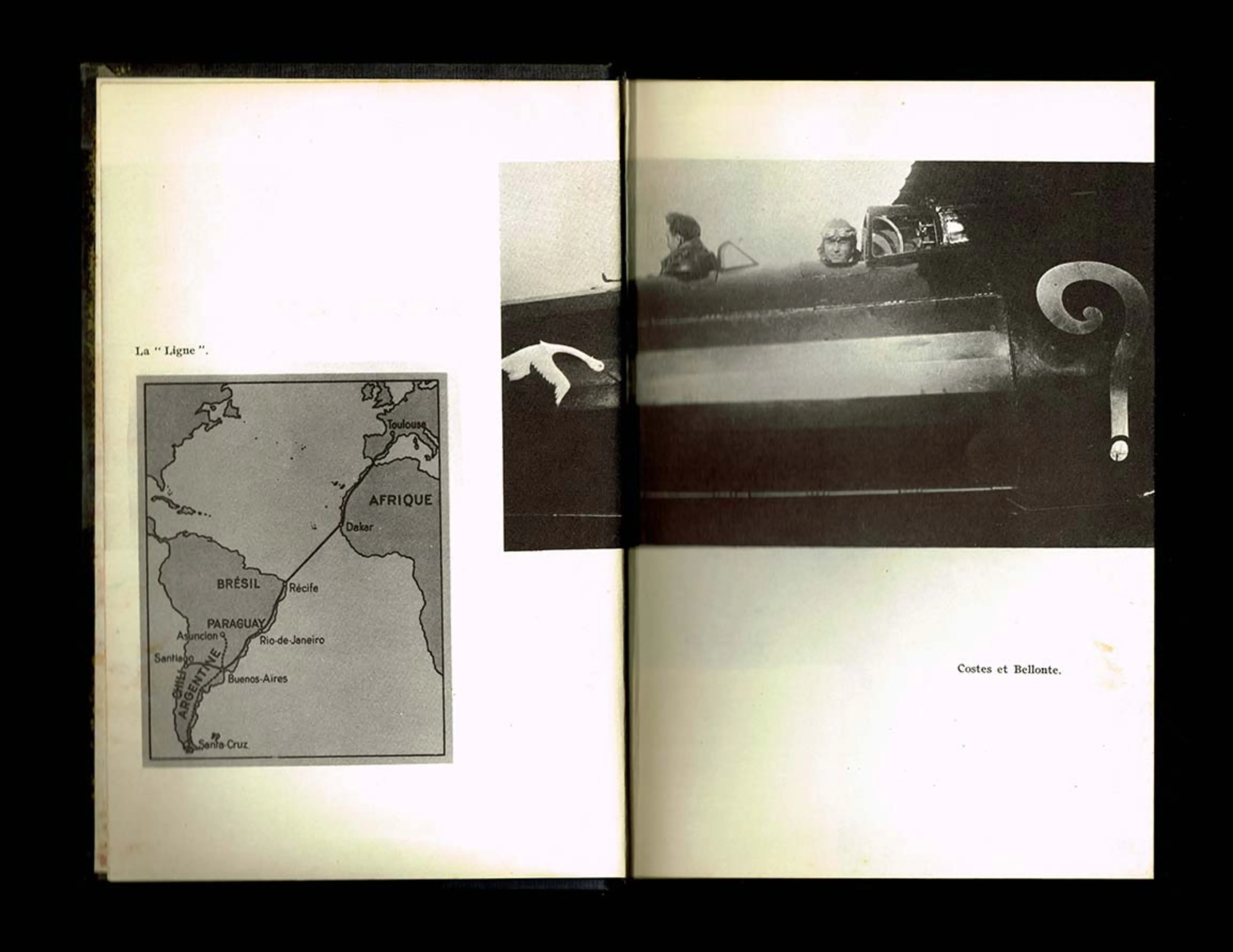
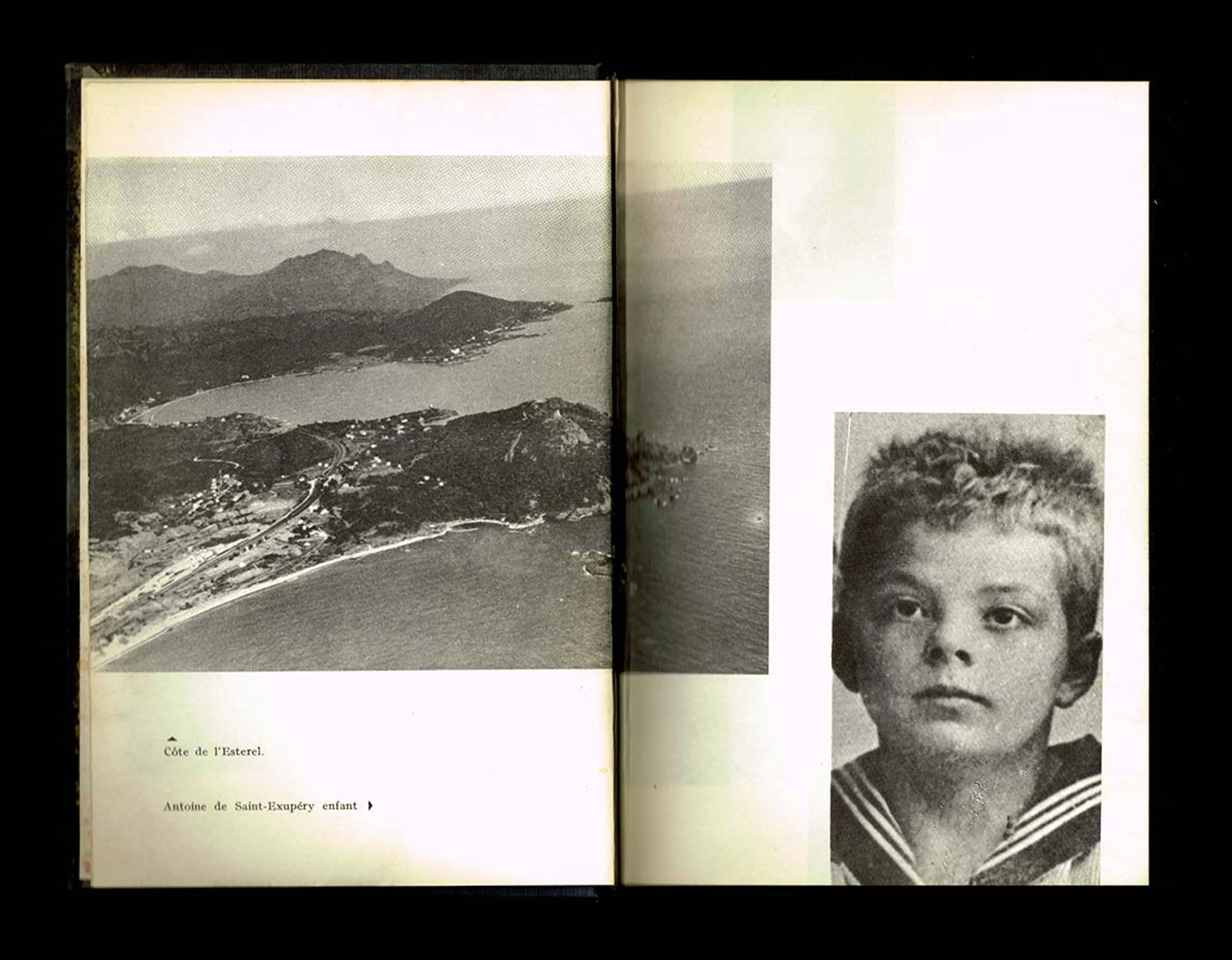
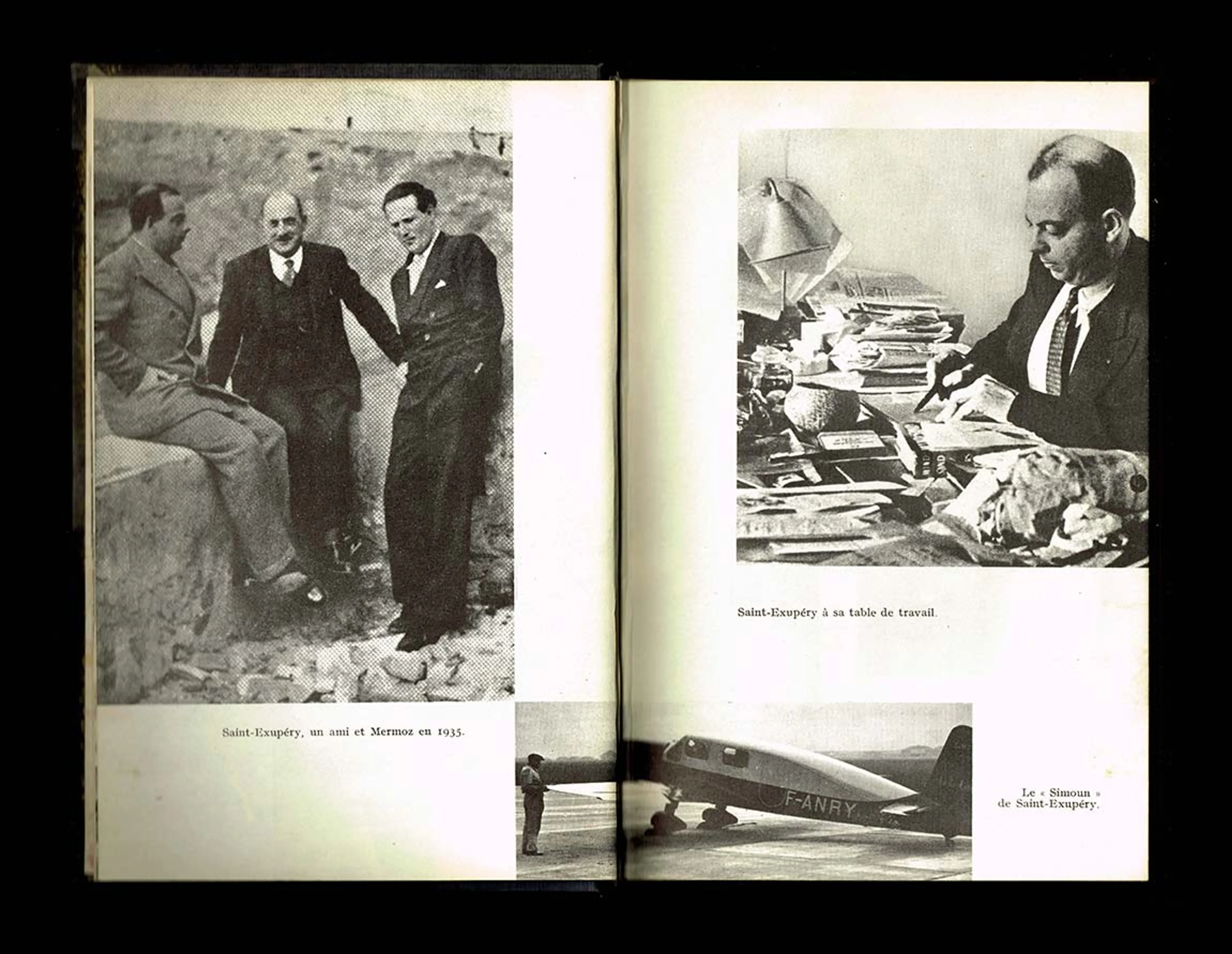
In 1978, Albert Beuret, the president of Gallimard, one of the biggest publishing houses in France, asked to meet with Fricker. Massin was quitting his position as the publishing house art director, and they were looking for someone who could replace him. Among the five candidates, Fricker got the job, and from 1979 to 1989, Fricker directed a team of 14 people, where 7 of them were book designers. I don’t know much about what happened to Fricker after leaving Gallimard. In 1989, she was 64 years old, and perhaps she decided to take it easy into a well-deserved retirement after decades of designing books. Fricker passed away in 2004 and left us with a rich library of beautiful books that slowly come to light.
Tânia Raposo is a designer, educator and researcher. Currently living in Nancy, France developing a PhD on the activation of Graphic and Type Design Archives with the University of Paris 8 in collaboration with the Atelier de Recherche Typographique, and teaching typography at ENSAD Nancy.